Most DIY candle tutorials promise luxury fragrance with zero guidance on why your scent vanishes after 10 minutes. You’re left burning unscented wax that costs more than a store-bought Yankee Candle. Here’s the fix: stop treating aroma like an afterthought—and start engineering it like a perfumer.
Why Your Homemade Candles Lose Their Scent (And Fast)
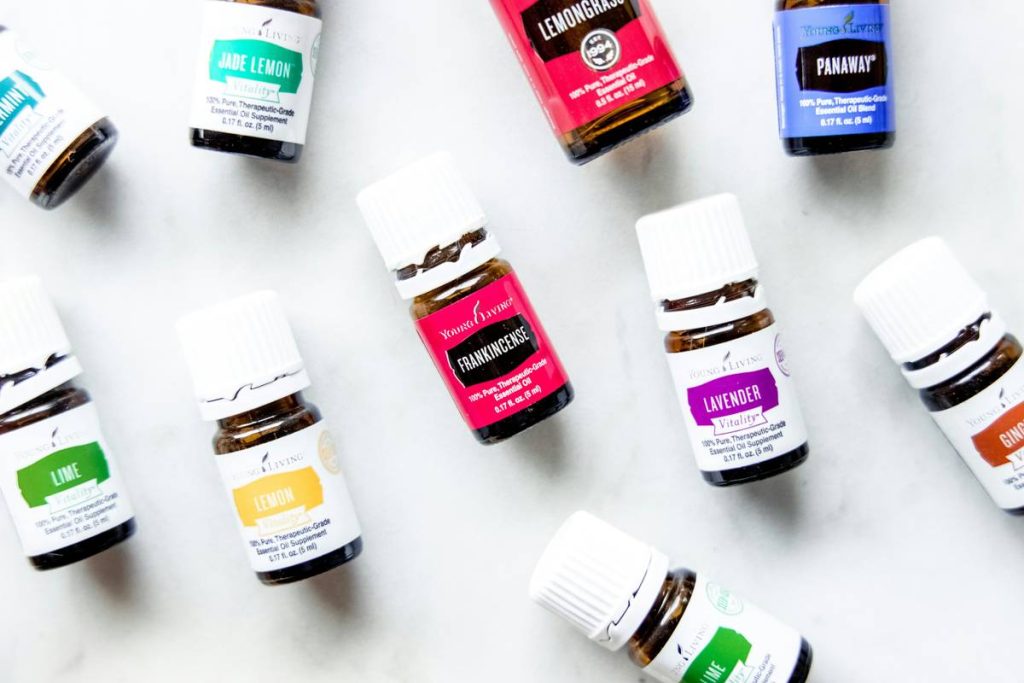
It’s not your nose. It’s your process. Most beginners dump essential oils into hot wax and call it a day. But essential oils evaporate at temperatures as low as 70°C (158°F)—far below standard pouring temps for soy or paraffin (often 80–85°C / 176–185°F). Result? Your “lavender dream” becomes odorless by cure time.
Even fragrance oils—marketed as candle-safe—fail if you ignore wax-oil compatibility. Paraffin binds well with synthetic fragrances; soy? Not so much. And beeswax? It fights most additives unless you adjust ratios precisely. The math is simple: wrong combo = wasted oil + weak throw.
How to Make Homemade Candles Scented: A Perfumer’s Blueprint
Forget Pinterest hacks. This method borrows from commercial candle labs—scaled for your kitchen.
Step 1: Choose Wax Based on Scent Goals
Soy wax gives clean burn but poor cold throw. Paraffin offers strong scent diffusion but isn’t eco-friendly. Blend them: 70% soy + 30% paraffin = balance of sustainability and performance. Beeswax lovers? Add 10% coconut oil to soften its natural resistance to fragrance.
Step 2: Time Your Fragrance Addition Like a Pro
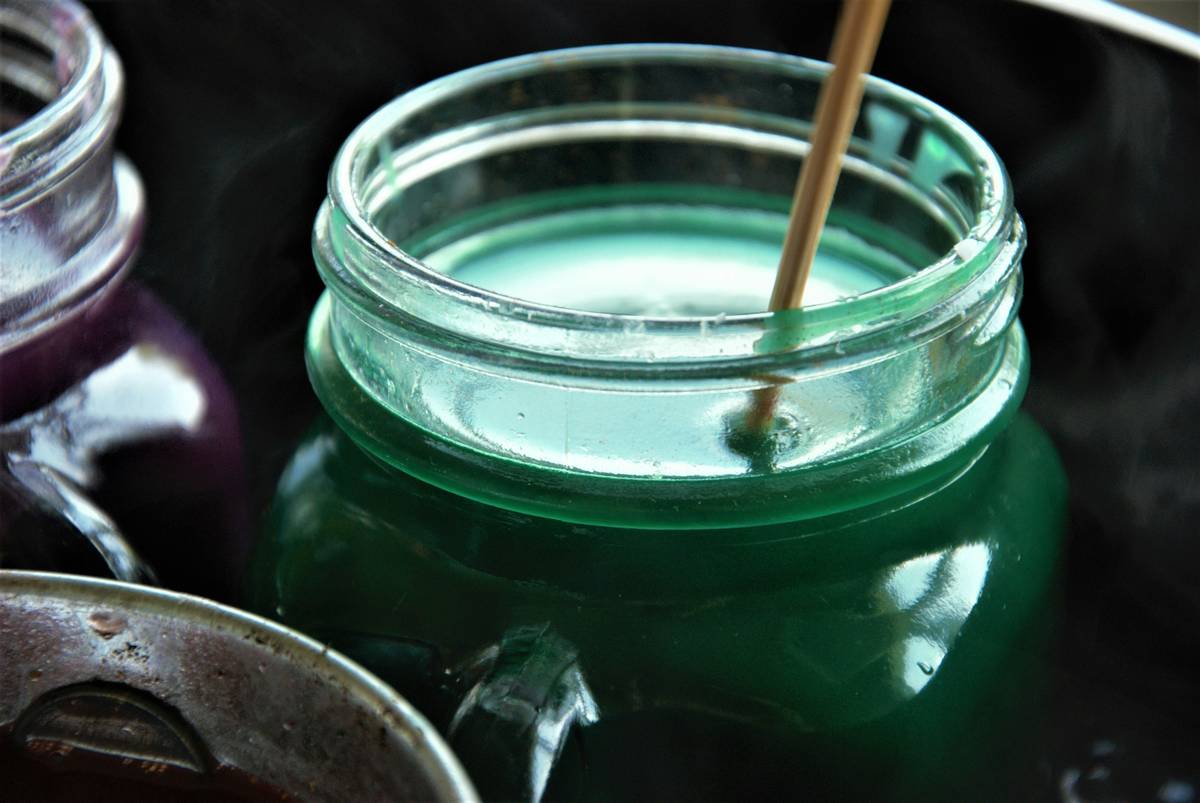
Pour temperature matters less than cool-down timing. For soy blends, stir in fragrance oil at 60–65°C (140–150°F)—not when it’s bubbling hot. Essential oils? Go even cooler: 50°C (122°F). Below this, they won’t disperse evenly. Above it, they vaporize before setting.
Step 3: Optimize Load Without Overflowing
Overloading causes seepage and weak structure. Underloading = ghost scent. Stick to these tested ratios:
| Wax Type | Fragrance Oil Max (%) | Essential Oil Max (%) | Ideal Pour Temp Range |
|---|---|---|---|
| Soy (100%) | 6% | 3% | 55–60°C (130–140°F) |
| Soy-Paraffin Blend | 8% | 4% | 60–65°C (140–150°F) |
| Beeswax-Coconut | 5% | 2% | 65–70°C (150–160°F) |
Step 4: Cure—Don’t Rush
Here’s a non-negotiable: wait 7–10 days before lighting. Soy wax needs time for oil molecules to fully bond with its crystalline structure. Light too soon, and your hot throw will disappoint—even if cold throw smells strong. Patience isn’t optional. It’s chemistry.
The Industry Secret: Layer, Don’t Just Mix
Big brands don’t rely on single-note oils. They layer top, middle, and base notes—just like fine perfumes. Try this: mix 60% base note (like vanilla or sandalwood), 30% middle (lavender, eucalyptus), and 10% top (citrus, mint). The result? A scent that evolves as it burns—not flat, one-dimensional aroma that fades in minutes.
But here’s the twist few share: add the top note last, right before pouring. Its volatility means it degrades fastest during cooling. Toss it in the final 30 seconds of stirring, and you preserve that crisp opening burst. Most DIYers miss this—and wonder why their “ocean breeze” smells like wet cardboard.
FAQ
Can I use perfume or cologne to scent homemade candles?
No. Alcohol-based perfumes can ignite or create toxic fumes when burned. Always use candle-specific fragrance or skin-safe essential oils.
Why does my candle smell great unlit but not when burning?
Your wax may have poor hot throw. Switch to a paraffin blend—or increase fragrance load within safe limits (see table). Also, ensure full cure time.
How long do homemade scented candles last?
Properly stored (cool, dark, sealed), they retain scent for 6–12 months. Essential oil candles fade faster—use within 3–4 months for best results.