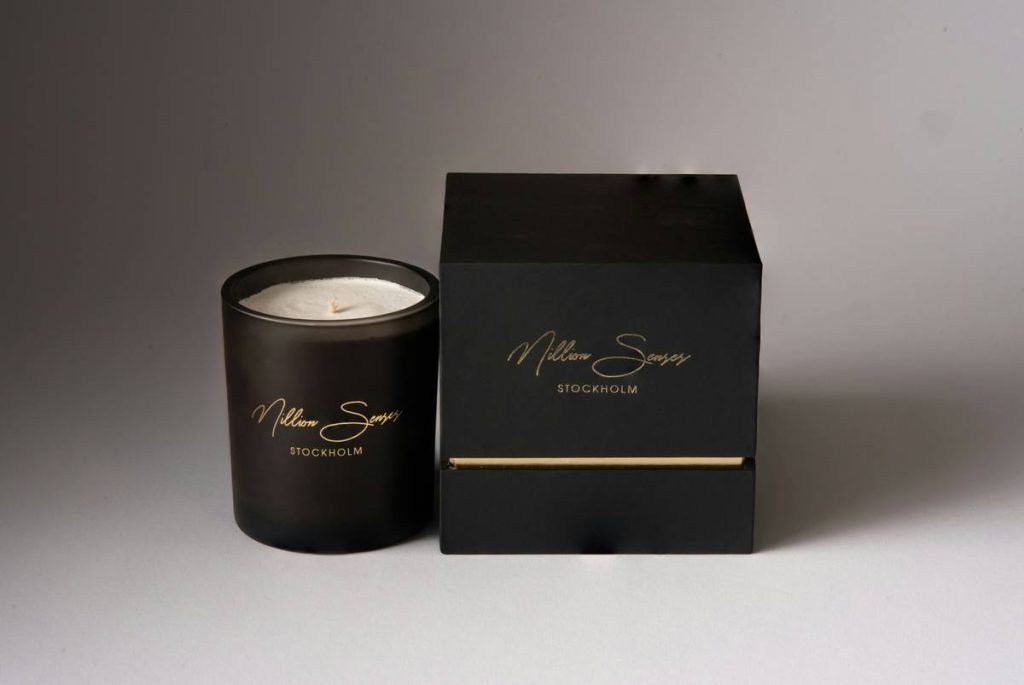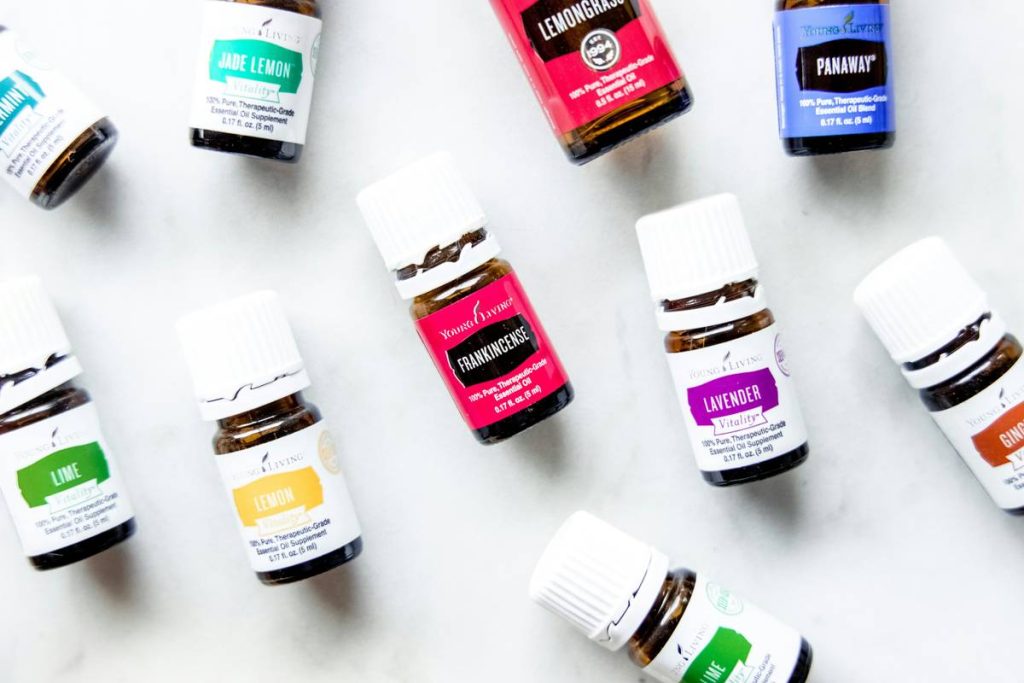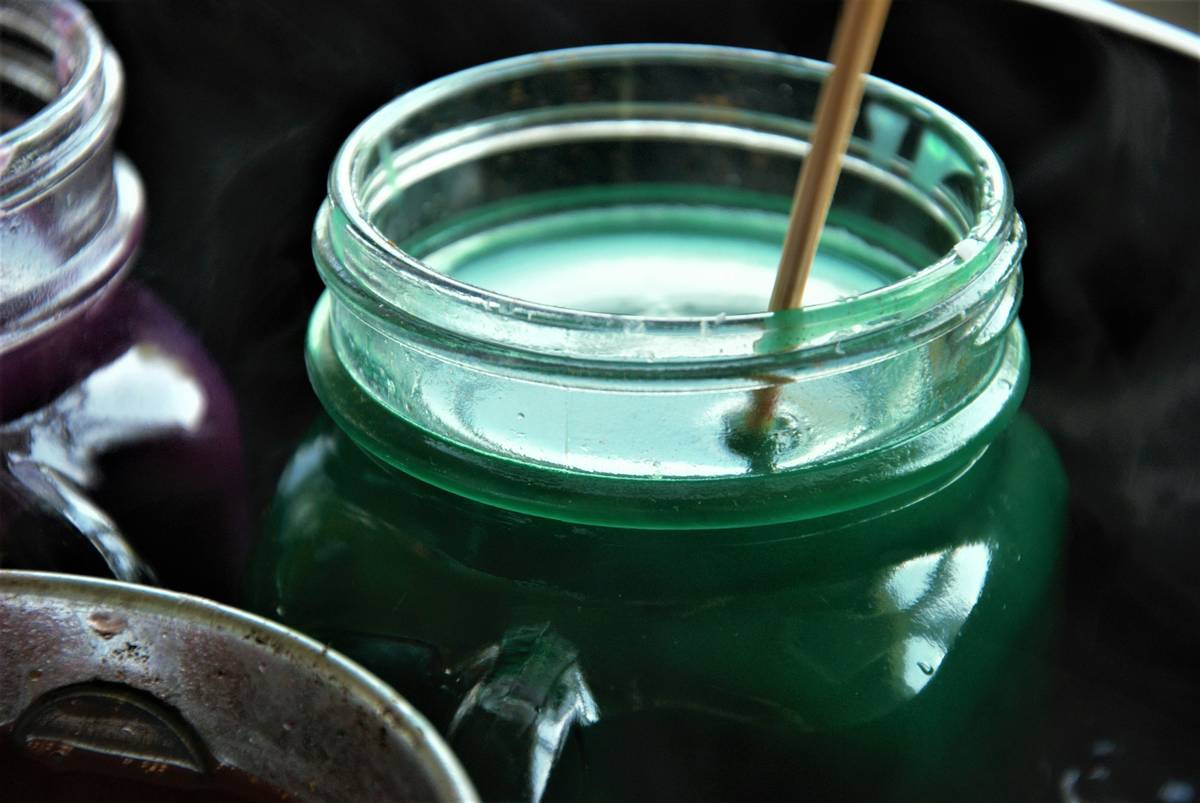
Most beginners waste money on kits that produce weak-scented, fast-burning messes. They follow Pinterest tutorials that skip the chemistry behind fragrance load and wax compatibility—then wonder why their “luxury” candle smells like melted crayons. Here’s how to actually make homemade scented candles diy that perform, impress, and even turn profit.
Why 90% of DIY Candle Makers Fail (Before Their First Pour)
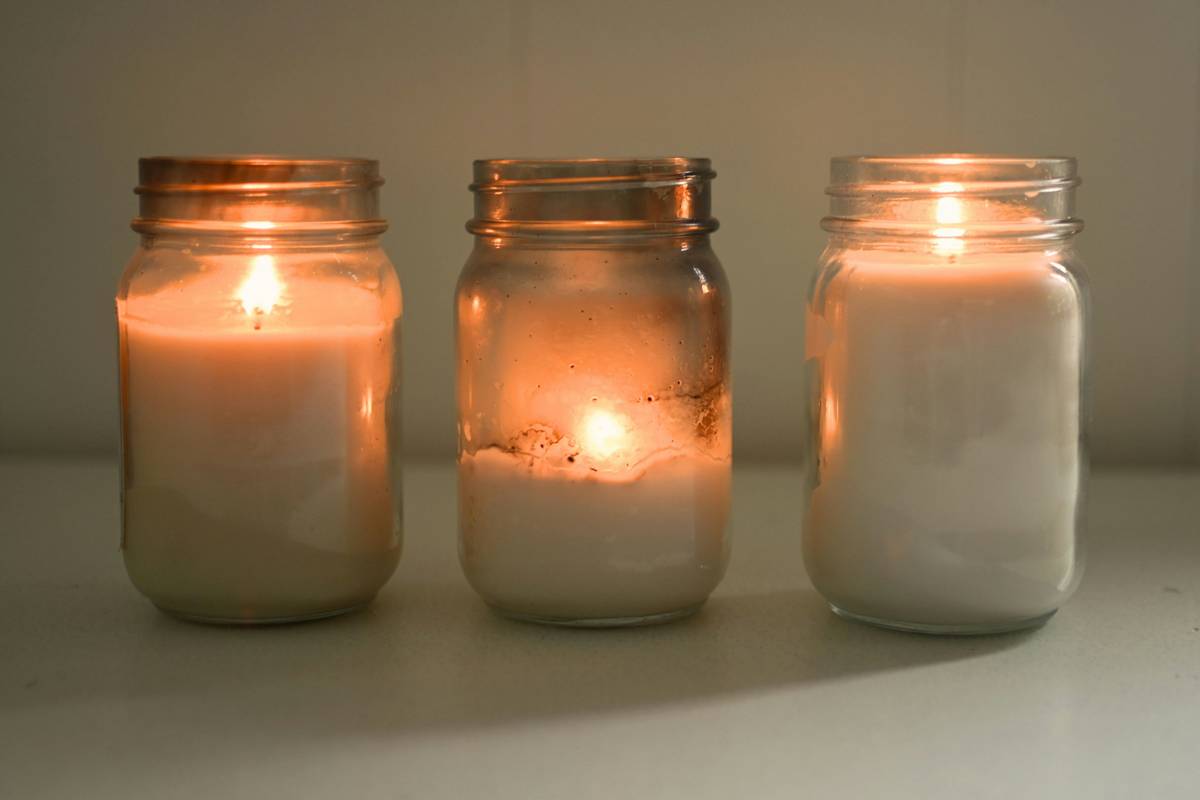
They treat candle-making like baking cookies—measure, mix, done. But wax isn’t flour. Fragrance oils aren’t vanilla extract. Temperature, flash point, and wax type interact in ways most tutorials ignore. Get it wrong? Your scent vanishes after two burns—or worse, pools oil on the surface like a greasy puddle.
And paraffin-heavy blends? They’re cheap—but they’re also why big-box store candles give headaches. The real issue isn’t skill. It’s system. Without understanding burn dynamics, you’re just guessing.
homemade scented candles diy: A Step-by-Step Blueprint That Actually Works
Forget “melt and pour.” Real control starts with selecting the right base.
Wax Selection: Soy Isn’t Always King
Soy wax burns clean but struggles with strong scent throws unless blended. Coconut-soy hybrids? Superior for fragrance retention—especially with citrus or herbal notes. Beeswax adds hardness and natural honey aroma but requires higher temps.
Fragrance Load: The 6–10% Sweet Spot
Add less than 6%? Barely detectable. More than 10%? Risk seepage, poor burn, even fire hazards. Use a digital scale—never eyeball. And always check your fragrance oil’s flash point. Add it at 185°F max to preserve volatile top notes.
Wick Sizing: Where Most Go Wrong
A wick too small drowns; too large smokes. Match wick size to container diameter AND wax type. A CD 8 might work in soy—but fail in coconut blend. Test. Adjust. Document.
| Wax Type | Melt Point (°F) | Ideal Fragrance Load | Best For | Cost per lb (USD) |
|---|---|---|---|---|
| Pure Soy | 120–180 | 6–8% | Earthy, woodsy scents | $2.50 |
| Coconut-Soy Blend | 125–175 | 8–10% | Citrus, floral, complex blends | $4.20 |
| Beeswax + Soy (50/50) | 145–190 | 5–7% | Natural aroma lovers, longer burn | $5.80 |
The Industry Secret: Layering Scents Like a Perfumer
Big brands don’t just dump one oil into wax. They layer. Start with a base note (like vanilla or patchouli) at 60% of your total fragrance load. Add middle notes (lavender, rosemary) at 30%. Finish with top notes (bergamot, lemon zest) at 10%—added last, just before pouring. This mimics fine perfumery. Result? A candle that evolves as it burns—not just one flat smell until it’s gone.
Think about it: your customer lights it at 7 PM. By 9 PM, the scent should feel richer, deeper—not weaker. That’s the difference between a hobby craft and a premium product.
FAQ
What’s the best wax for strong fragrance throw?
Coconut-soy blends consistently outperform pure soy or paraffin. They hold more oil without sweating and release scent evenly across cold and hot throws.
Can I use essential oils instead of fragrance oils?
Yes—but cautiously. Most essential oils have low flash points and poor binding with wax. Use no more than 5% load, and avoid citrus EOs (they degrade fast). Always test burn first.
Why are my candles tunneling?
First burn sets the memory. If you extinguish before a full melt pool forms (edge-to-edge), it will tunnel forever. Burn 1 hour per inch of diameter—minimum.