Most DIY candle tutorials online produce bland, weak-scented wax blobs that barely pass as decor—let alone gifts or products. You follow the steps, pour in “premium” fragrance oil… and get nothing. No throw. No complexity. Just disappointment wrapped in soy. But what if you could craft home made scented candles with professional cold and hot throw, layered aromas, and pricing power? It’s not about more ingredients—it’s about smarter chemistry.
Why 90% of Homemade Candles Fail at Aroma Delivery
It’s not your wax. It’s not even your wick. The real failure point? Misunderstanding scent volatility.
Fragrance oils aren’t paint—you can’t just stir them in and expect magic. Top notes evaporate fast. Base notes linger but need heat activation. Most hobbyists dump everything in at once during the melt phase. Big mistake. The result? A flat, one-dimensional scent profile that fades before the second burn.
And temperature? Pouring above 185°F (85°C) destroys delicate esters in essential oils. Below 160°F? Poor adhesion = poor scent throw. Precision isn’t optional—it’s economic.
Step-by-Step Guide to Crafting High-Performance Home Made Scented Candles
Select Your Wax Like a Perfumer—Not a Grocer
Soy wax is popular—but it’s weak on hot throw. Coconut-apricot blend? Expensive but excellent for complex blends. Paraffin? Don’t flinch—it holds fragrance load up to 12%, far beyond soy’s 6–8%. Choose based on performance, not purity myths.
Layer Fragrance Notes Strategically
Add base notes (vanilla, patchouli, sandalwood) at 185°F. Middle notes (lavender, rosemary, ylang-ylang) at 175°F. Top notes (citrus, mint, eucalyptus) only after cooling to 160°F. This staggered infusion preserves volatility balance.
Wick Testing Isn’t Optional—It’s Your Profit Margin
A mis-sized wick causes tunneling or sooting—which kills repeat sales. Test three wicks per vessel size. Burn for four hours. Measure melt pool depth. Ideal = ¼ inch from edge. Document everything. Scale only after validation.
| Wax Type | Fragrance Load (%) | Pour Temp (°F) | Best For | Cost per lb (USD) |
|---|---|---|---|---|
| 100% Soy | 6–8% | 135–145 | Eco branding, simple scents | $2.50 |
| Coconut-Apricot Blend | 8–10% | 160–170 | Luxury lines, complex blends | $6.75 |
| Paraffin (Refined) | 10–12% | 175–185 | Strong throw, vibrant top notes | $1.80 |
The Industry Secret: Use “Scent Anchoring” to Triple Perceived Aroma Strength
Here’s a trick most indie brands ignore—and big players guard fiercely: pair each primary note with a trace (<1%) of a complementary odorless fixative.
Example: Add 0.5% benzyl benzoate to citrus-based home made scented candles. It doesn’t smell—but it slows evaporation of limonene, making lemon or bergamot last 3x longer. Another? Iso E Super in woody blends adds warmth without altering the core scent—just depth.
This isn’t alchemy. It’s applied olfactory science. Yet 99% of YouTube tutorials skip it because suppliers rarely market these ingredients to consumers. Source them from cosmetic-grade chemical vendors—not craft stores.
Frequently Asked Questions
Can I use essential oils instead of fragrance oils?
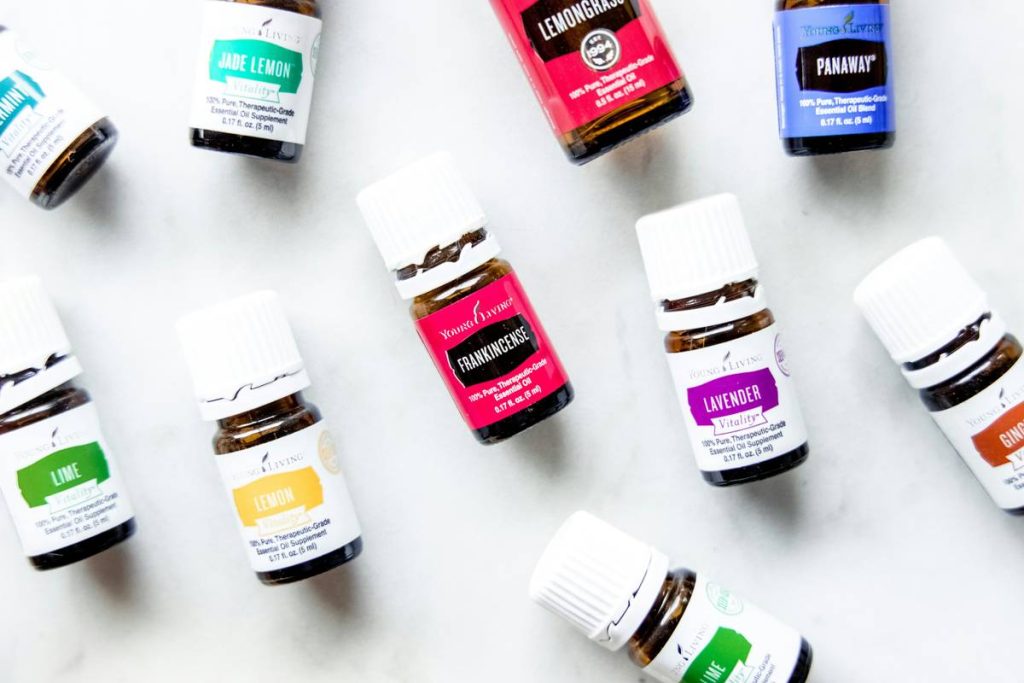
Yes—but expect weaker hot throw and higher cost. Citrus EOs degrade fast; resinous ones (frankincense, myrrh) work better. Always test burn first.
Why won’t my candles hold scent after curing?
Under-curing is rare—overheating during pour is common. If you exceed 185°F, you’ve cooked off the top notes. Cure 3–7 days at room temp, away from sunlight.
How much should I price my home made scented candles?
Cost x 3.5 minimum. If materials cost $4, sell for $14+. Customers pay for experience—not wax. Position as mood enhancers, not commodities.