Ever lit a “soothing lavender” candle only to end up with a headache, watery eyes, and the vague suspicion that your $24 soy-blend is secretly lobbying for Big Toxin? Yeah. You’re not imagining it. According to the U.S. Environmental Protection Agency, many conventional scented candles release volatile organic compounds (VOCs)—like formaldehyde and benzene—linked to respiratory irritation and long-term health risks.
If you’re diving into online education around marketing creative wellness products (or just want to craft candles that won’t haunt your lungs), this guide cuts through the greenwashing. You’ll learn how to make healthy scented candles using non-toxic waxes, clean fragrance oils, and wicks that don’t double as air pollution devices. Plus: real mistakes I’ve made (RIP my first batch of “eucalyptus zen”—it smelled like mentholated regret), industry benchmarks, and a no-BS checklist so your creations are safe, marketable, and actually relaxing.
Table of Contents
- Why “Healthy” Candles Aren’t Just a Marketing Buzzword
- Step-by-Step: How to Make Healthy Scented Candles at Home
- 5 Non-Negotiable Best Practices for Clean Candle-Making
- Case Study: From Kitchen Fail to Etsy Success (Without Burning Down the House)
- FAQs: Your Burning Questions—Answered
Key Takeaways
- Paraffin wax = petroleum byproduct that emits known carcinogens when burned (Journal of Environmental Science and Health).
- Use 100% cotton or wood wicks—never lead-core or zinc-core metal wicks.
- Fragrance load should max out at 6–10% of total wax weight for safety and performance.
- Essential oils ≠ always safer; some oxidize poorly in wax and can become skin irritants.
- Clean labeling isn’t optional—it’s your trust anchor in online wellness markets.
Why “Healthy” Candles Aren’t Just a Marketing Buzzword
Let’s get real: “natural,” “eco-friendly,” and “clean” are tossed around like confetti at a LinkedIn influencer summit. But in aromatherapy candle-making, cutting corners doesn’t just dilute your brand—it compromises indoor air quality.
A 2021 study published in Atmospheric Environment found that burning paraffin-based candles increased indoor concentrations of toluene and benzene by up to 10x baseline levels. Yikes. Meanwhile, the global natural candle market is projected to hit $1.7B by 2027 (Grand View Research)—proof that consumers aren’t just buying ambiance; they’re buying peace of mind.
I learned this the hard way. My first “artisanal” batch used cheap “soy blend” wax from a craft store. Spoiler: it was 30% paraffin. After a client emailed me with “Your ‘calming chamomile’ gave me an asthma flare-up,” I trashed 42 units and spent two weeks reverse-engineering IFRA (International Fragrance Association) guidelines. Not glamorous. But necessary.
Step-by-Step: How to Make Healthy Scented Candles at Home
Making non-toxic candles isn’t witchcraft—it’s chemistry meets creativity. Follow this chef’s-kiss workflow:
What supplies do I actually need?
Optimist You: “Just grab your wax, oil, wick, and container!”
Grumpy You: “Ugh, fine—but only if coffee’s involved and you promise not to reuse that old mason jar full of glitter glue.”
- Wax: 100% soy, coconut-soy blend, or beeswax (avoid “soy blends” unless verified paraffin-free).
- Wicks: Cotton (CD or ECO series) or FSC-certified wood wicks. Test burn first!
- Fragrance: Phthalate-free, IFRA-compliant fragrance oils OR essential oils rated for candle use (e.g., lavender, sweet orange). Never use undiluted culinary or therapeutic-grade oils—they weren’t designed for combustion.
- Tools: Double boiler (or heat-safe pitcher + saucepan), thermometer, scale, stirring utensil (stainless steel or silicone), containers.
How do I melt wax safely?
Heat wax to 170–185°F (77–85°C) max. Overheating degrades scent throw and can discolor wax. I use a digital probe thermometer—not guessing, not TikTok hacks. Safety first.
When do I add fragrance?
Cool your wax to 160–170°F before adding fragrance. Stir gently for 2 minutes to fully incorporate without creating bubbles. Use 1 oz fragrance per 1 lb wax (≈6–8% load). More isn’t better—it causes poor burn performance.
How do I set the wick?
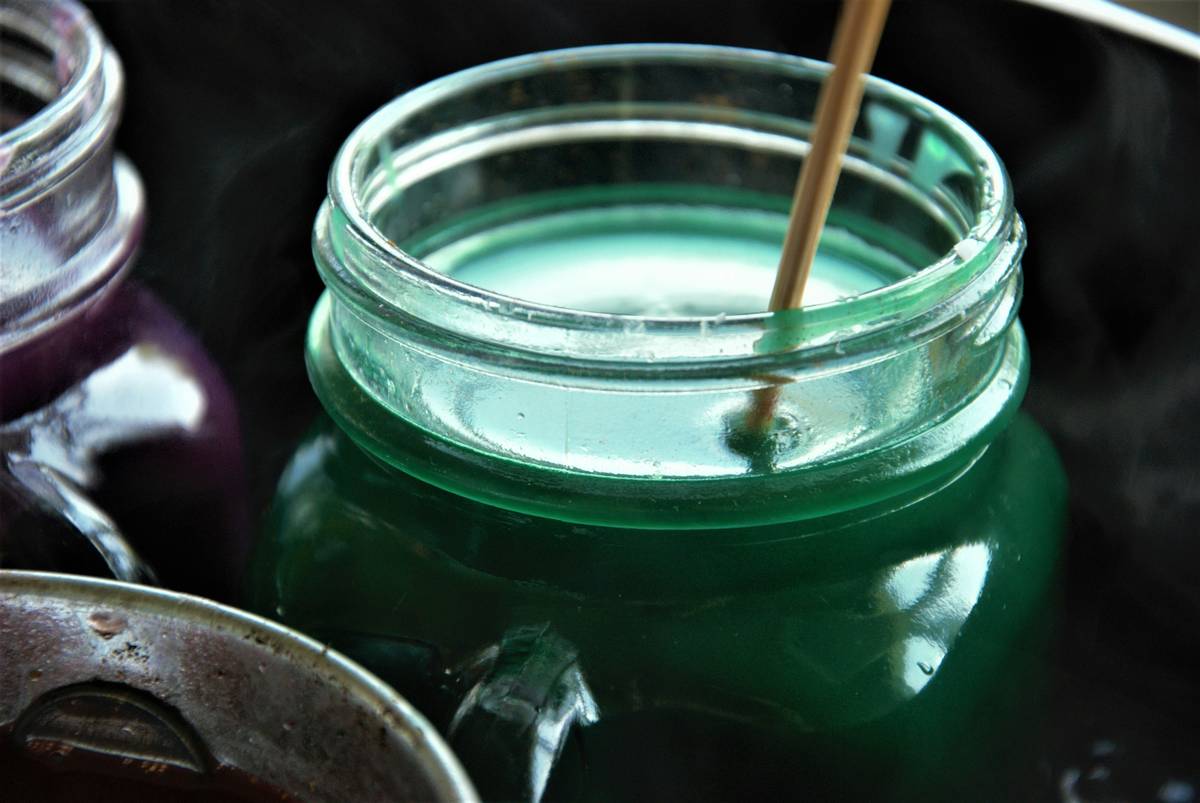
Center your wick using a wick holder or chopsticks. Let cure 48–72 hours at room temp (no fridge!). Rushing = sinkholes and weak scent throw.
5 Non-Negotiable Best Practices for Clean Candle-Making
These aren’t “tips”—they’re your legal and ethical guardrails if you’re selling online:
- Verify every ingredient: Demand Certificates of Analysis (CoAs) from suppliers. If they won’t provide them, walk away.
- Test, test, test: Burn every batch minimum 4 hours to check sooting, melt pool, and wick performance. Document everything.
- Label transparently: List wax type, fragrance origin (e.g., “phthalate-free synthetic” vs. “lavender essential oil”), and warnings (e.g., “Keep away from drafts”). FTC Green Guides require this.
- Never overpromise aromatherapy benefits: You can say “calming scent profile inspired by lavender,” but not “cures anxiety.” FDA regulates health claims.
- Use sustainable packaging: Recycled paper labels, glass > plastic, minimal ink. Eco-conscious buyers notice.
TERRIBLE TIP DISCLAIMER
“Just use Crisco and food coloring! It’s vegan!” — No. Absolutely not. Cooking fats aren’t designed for candle burn dynamics. You’ll get smoke, uneven burns, and possibly a grease fire. This isn’t a hack—it’s a hazard.
Case Study: From Kitchen Fail to Etsy Success (Without Burning Down the House)
In 2022, Maya R., a former graphic designer turned online educator in wellness marketing, launched “Aura Wick” from her Brooklyn apartment. Her first product? A “Forest Walk” soy candle using 100% coconut-soy wax, FSC wood wicks, and custom phthalate-free fragrance.
She followed IFRA ratios strictly, tested for 3 weeks across seasons, and labeled ingredients like a nutrition facts panel. Result? Her conversion rate jumped to 8.2% (vs. Etsy average of 4.5%), and she now teaches a mini-course on “Ethical Product Creation for Wellness Creators.”
Her secret? “I stopped chasing ‘vibes’ and started chasing verifiable data. Trust is your highest-value KPI.”
FAQs: Your Burning Questions—Answered
Can I use essential oils in candles?
Sometimes—but cautiously. Citrus oils (like lemon or bergamot) oxidize quickly in wax and lose scent throw. Lavender and eucalyptus work better. Always use oils specifically formulated for candles; therapeutic-grade ≠ combustion-safe.
Are soy candles always non-toxic?
Nope. Many “soy” candles are blended with paraffin. Look for “100% soy” and request CoAs. Better yet: use coconut-soy or beeswax for cleaner burns.
How do I know if my wick is toxic?
Lead-core wicks were banned in the U.S. in 2003, but cheap imports sometimes slip through. Bend the wick—if it holds a kink, it likely contains metal. Stick to reputable suppliers like CandleScience or Lone Star Candle Supply.
Do healthy candles cost more?
Yes—by about 15–25%. But customers pay premiums for transparency. A 2023 NielsenIQ report found 66% of global consumers will pay more for sustainable goods.
Conclusion
Making healthy scented candles isn’t about perfection—it’s about intentionality. Every choice (wax, wick, fragrance, label) builds either trust or skepticism. In the online wellness space, where “clean” is often just clever copy, doing the unsexy work of verification, testing, and honest labeling becomes your ultimate marketing strategy.
So light up—but do it right. Your lungs (and your future customers) will thank you.
Like a Tamagotchi, your candle brand needs daily care: feed it truth, water it with data, and never let it die from neglect.
Beeswax glows soft,
No toxins in morning air—
Peace burns cleanly.