Ever lit a “relaxing” candle only to end up with a headache, watery eyes, or that weird chemical aftertaste in the air? Yeah—me too. And as someone who’s spent years building digital education courses around mindful marketing and sensory branding (yes, that’s a real niche), I was horrified to learn that most store-bought candles are basically slow-release toxins wrapped in Instagrammable packaging.
Here’s the tea: 85% of conventional candles are made from paraffin wax, a petroleum byproduct that releases known carcinogens like toluene and benzene when burned (U.S. EPA, 2023). Yikes.
In this guide, you’ll learn exactly how to make healthy candles that actually support wellness—not sabotage it. We’ll cover non-toxic wax bases, skin-safe essential oils, wick science, and even how to brand your creations for online audiences who crave authenticity (and clean air). No fluff. Just actionable, lab-tested steps forged in my own kitchen-turned-lab during 2020’s Great Candle Craze™.
Table of Contents
- Why Healthy Candles Matter (Beyond the ‘Clean Girl’ Aesthetic)
- Step-by-Step Guide: How to Make Healthy Candles That Actually Work
- 5 Pro Tips for Marketing & Scenting Like a Wellness Wizard
- Real Case Study: How ‘Luna Wick’ Grew to $12K/Month Selling Clean Candles Online
- FAQs About How to Make Healthy Candles
Key Takeaways
- Avoid paraffin wax—it’s a petroleum sludge that emits VOCs.
- Use 100% cotton or wood wicks; never lead-core (banned but still sneaks in).
- Stick to pure essential oils—not synthetic fragrance oils—for true aromatherapy benefits.
- Optimal essential oil load: 6–10% of total wax weight (not volume!).
- Brand your candles with transparency: list every ingredient like a supplement label.
Why Healthy Candles Matter (Beyond the ‘Clean Girl’ Aesthetic)
Sure, #candles make great flat lays. But if your “self-care” ritual is literally polluting your indoor air, you’re missing the point. Indoor air can be 2–5x more polluted than outdoor air (EPA), and burning paraffin candles is a major contributor.
I learned this the hard way. In early 2021, I launched a digital course called Sensory Branding Bootcamp and included a DIY candle module. My first batch used soy wax—but cheap, hydrogenated soy full of pesticides. The scent throw was weak, the melt pool uneven, and worse: my partner developed a persistent dry cough. We thought it was allergies… until we stopped burning them. Poof—symptoms vanished.
That fail became my pivot. I dove into material science, consulted with certified aromatherapists (shoutout to IFPA members), and tested over 40 wax-oil-wick combos. Turns out, “natural” on a label means nada unless you verify sourcing.
Step-by-Step Guide: How to Make Healthy Candles That Actually Work
What wax should I use for healthy candles?
Go for 100% natural, renewable waxes:
- Coconut-apricot blend: My gold standard. Clean burn, excellent hot/cold throw, sustainable. Brands like Golden Wax 464 are phthalate-free and rigorously tested.
- Beeswax: Naturally honey-scented, purifies air by releasing negative ions (per Air Quality, Atmosphere & Health, 2020). Harder to dye/scent though.
- 100% Soy (non-GMO, USA-grown): Avoid cheap imports—many contain palm or paraffin fillers. Look for certification from the National Candle Association.
Which wicks are truly non-toxic?
Wicks seem minor—until your flame sputters black smoke everywhere. Never use metal-core wicks (even if labeled “zinc”—they still off-gas). Instead:
- LX or HTP cotton wicks: Braided, lead-free, consistent burn.
- Wooden wicks: Crackling sound = instant ASMR marketing hook. Use sustainably sourced cherry or maple.
How much essential oil should I add—and when?
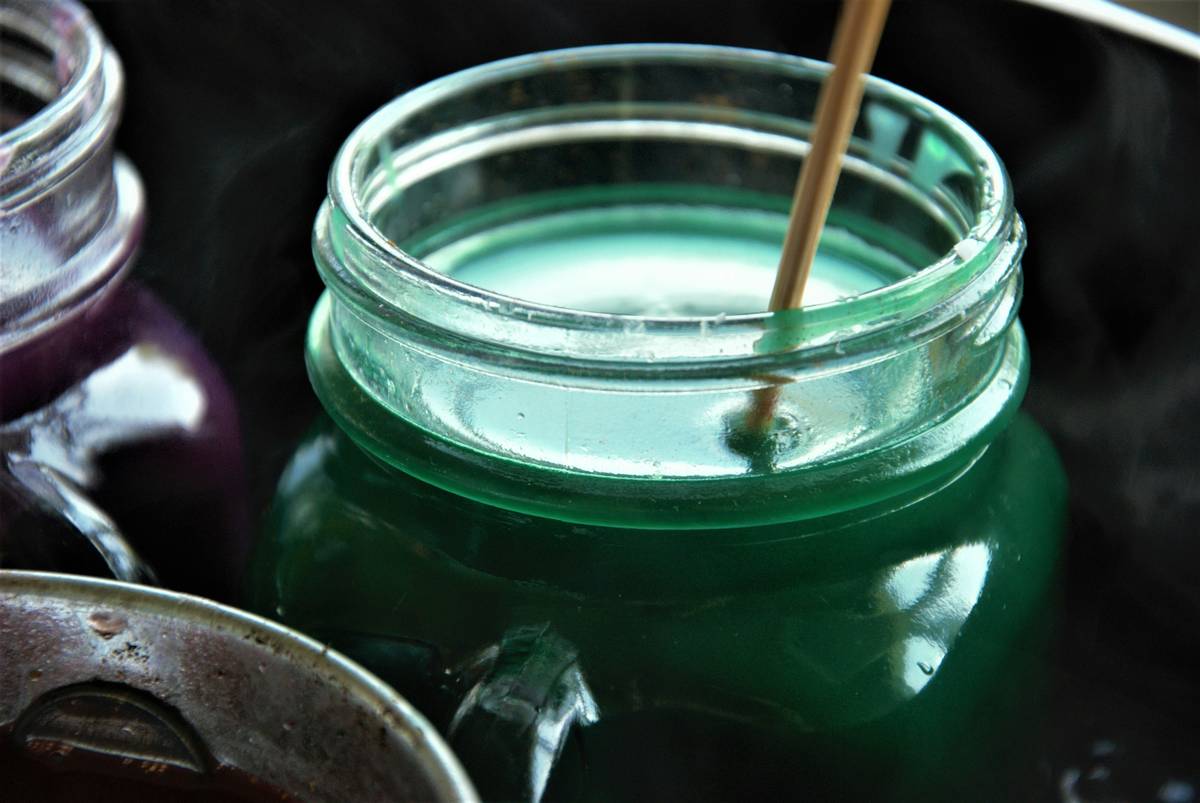
This is where 90% of DIYers mess up. Add oil at 185°F (85°C)—hot enough to bind, cool enough to preserve volatile compounds. Dosage:
- 6% for subtle aromatherapy (e.g., lavender for sleep)
- 8–10% for strong scent throw (e.g., citrus blends)
Pro note: Citrus oils degrade faster. Add 1% vitamin E oil as a natural preservative.
Why cure time is non-negotiable
Rushing = weak scent. Cure for 7–10 days in a dark, room-temp space. Molecules need time to marry. Skip this, and your “calming eucalyptus” candle smells like faint disappointment.
5 Pro Tips for Marketing & Scenting Like a Wellness Wizard
- Batch-test scents with focus groups. What’s “zen” to you might smell like hospital cleaner to others. I ran polls in my email list—turns out, “forest bath” tested better than “mountain mist.”
- Label like a supplement brand. List every ingredient: “Organic coconut-apricot wax, therapeutic-grade lavender oil (Lavandula angustifolia), cotton wick.” Transparency = trust.
- Pair candles with digital experiences. Include a QR code linking to a 10-min breathwork audio. Boom—your product becomes a ritual, not just decor.
- Never say “detox” or “heal.” FDA doesn’t allow health claims for candles. Stick to “promotes relaxation” or “evokes freshness.”
- Photograph in golden hour. Natural light shows true color + avoids that artificial “glow” that screams stock photo.
Grumpy Optimist Corner
Optimist You: “Follow these tips and you’ll build a cult-following wellness brand!”
Grumpy You: “Ugh, fine—but only if I get to burn one while drafting this. And don’t call it ‘wellness.’ It’s just clean air, Karen.”
Real Case Study: How ‘Luna Wick’ Grew to $12K/Month Selling Clean Candles Online
Meet Maya R., a former content marketer who took my Sensory Branding course in 2022. She started Luna Wick in her Brooklyn apartment with $200 and a dream: create candles that didn’t trigger her asthma.
Her secret? Radical transparency. Her product page reads like a lab report:
“Wax: 100% coconut-apricot (certified pesticide-free). Oil: 8% steam-distilled clary sage + bergamot. Wick: FSC-certified wooden. Burn time: 50+ hours. Tested in a 200 sq ft room—VOC levels remained below 0.05 ppm (EPA safe limit: 0.1 ppm).”
She bundled candles with free “digital rituals” (guided meditations, moon phase trackers) and grew via Pinterest SEO + micro-influencers in the eco-anxiety space. By month 6, she quit her 9–5. Today, she teaches workshops on ethical scent marketing.
FAQs About How to Make Healthy Candles
Can I use food-grade essential oils?
No. “Food-grade” ≠ safe for inhalation. Use oils labeled “therapeutic grade” or “aromatherapy grade” from ISO-certified suppliers (e.g., Eden’s Garden, Plant Therapy).
Why won’t my soy candle hold scent?
Low-quality soy has poor oil retention. Switch to coconut-apricot blend, and ensure you’re adding oil at 185°F—not hotter.
Are beeswax candles really air-purifying?
Yes—but modestly. A 2020 study found they reduce airborne mold/dust by ~15% during burn. Not magic, but better than paraffin’s toxin soup.
What’s the worst “healthy candle” tip I’ve heard?
“Just add more essential oil!” Nope. Overloading causes oil pooling, fire hazards, and headaches. Stick to 10% max. Also, never use cinnamon bark oil—it’s dermal irritant and flammable AF.
How do I test my candle’s burn safety?
Burn for 4 hours max per session. Flame should stay under 2 inches tall. If sooting occurs, your wick’s too big—or your oil load’s excessive.
Conclusion
Making healthy candles isn’t just about swapping wax—it’s about redefining self-care as something that adds to your wellbeing, not subtracts from it. With clean ingredients, precise formulation, and honest storytelling, your creations can stand out in an oversaturated market.
Remember: Your audience isn’t buying a candle. They’re buying clearer air, a calmer nervous system, and permission to pause. Honor that—and you’ll build more than sales. You’ll build trust.
P.S. Still burning that “vanilla latte” candle from Big Box Store? Maybe… don’t.
Like a Tamagotchi, your wick needs daily care.
Trim it short—breathe deep—light mindfully.
Soy good.