Ever spent $28 on a “luxury” soy candle only to watch it tunnel like a confused mole after two burns? Yeah. We’ve all been there. What if I told you that with less than $30, a rainy afternoon, and zero prior wax-wrangling experience, you could craft a batch of aromatherapy candles so clean-burning and scent-rich they’d rival your favorite boutique brand?
This isn’t just another DIY listicle scraped from Pinterest. As someone who’s built online courses teaching creative entrepreneurs how to monetize sensory products—and who once ruined an entire kitchen counter with overheated coconut wax (RIP granite)—I’m here to walk you through how to make scented candles homemade the smart, safe, and sellable way.
In this guide, you’ll discover:
- The exact wax-to-fragrance ratios professionals use (no guesswork)
- Why “natural” doesn’t always mean better—and what actually matters for scent throw
- A real case study of a student who turned her first candle batch into a $3K/month Etsy shop
- And the #1 beginner mistake that causes soot, sinkholes, and sad-looking tops
Table of Contents
- Why Bother Making Homemade Scented Candles in 2024?
- Step-by-Step: How to Make Scented Candles Homemade
- 5 Pro Tips for Aromatherapy-Worthy Results
- From Hobby to Hustle: Emma’s Candle Come-Up
- FAQs About Homemade Scented Candles
Key Takeaways
- Use 6–10% fragrance oil by weight for optimal hot + cold throw
- Never add essential oils above 185°F—heat destroys delicate terpenes
- Coconut-soy blend wax offers cleaner burn and superior scent retention vs. 100% soy
- Cure candles for 5–7 days before testing; patience = profit
- Labeling compliance (FDA, IFRA) is non-negotiable if selling online
Why Bother Making Homemade Scented Candles in 2024?
Let’s get real: The global candle market is projected to hit $15.7 billion by 2030 (Grand View Research, 2023). But here’s the twist—consumers aren’t just buying light. They’re buying mood. According to a 2022 National Candle Association survey, 76% of U.S. adults use candles for aromatherapy or stress relief.
That’s where you come in. As a creative marketer or online educator, crafting your own candles isn’t just a cozy weekend project—it’s a tangible product that builds authority, fuels content (hello, behind-the-scenes Reels), and even becomes a digital course asset.
But beware: Most YouTube tutorials skip critical safety steps or recommend cheap paraffin wax that releases toxins when burned. Don’t be that person.
Step-by-Step: How to Make Scented Candles Homemade
What You’ll Need
- Wax: 1 lb coconut-soy blend (e.g., Golden Brands 464)
- Fragrance oil: 1 oz (max 10% of wax weight)
- Wicks: Pre-tabbed ECO or CD series (size depends on vessel diameter)
- Double boiler or dedicated wax melter (never microwave!)
- Thermometer (infrared preferred)
- Heat-resistant containers (glass, ceramic, or tin)
- Wick stickers + centering device (chopsticks work in a pinch)
Step 1: Prep Your Workspace
Cover surfaces with newspaper. Have a fire extinguisher nearby (yes, really). Ventilate the room—molten wax fumes are no joke. And for the love of lavender, tie back long hair.
Step 2: Melt the Wax
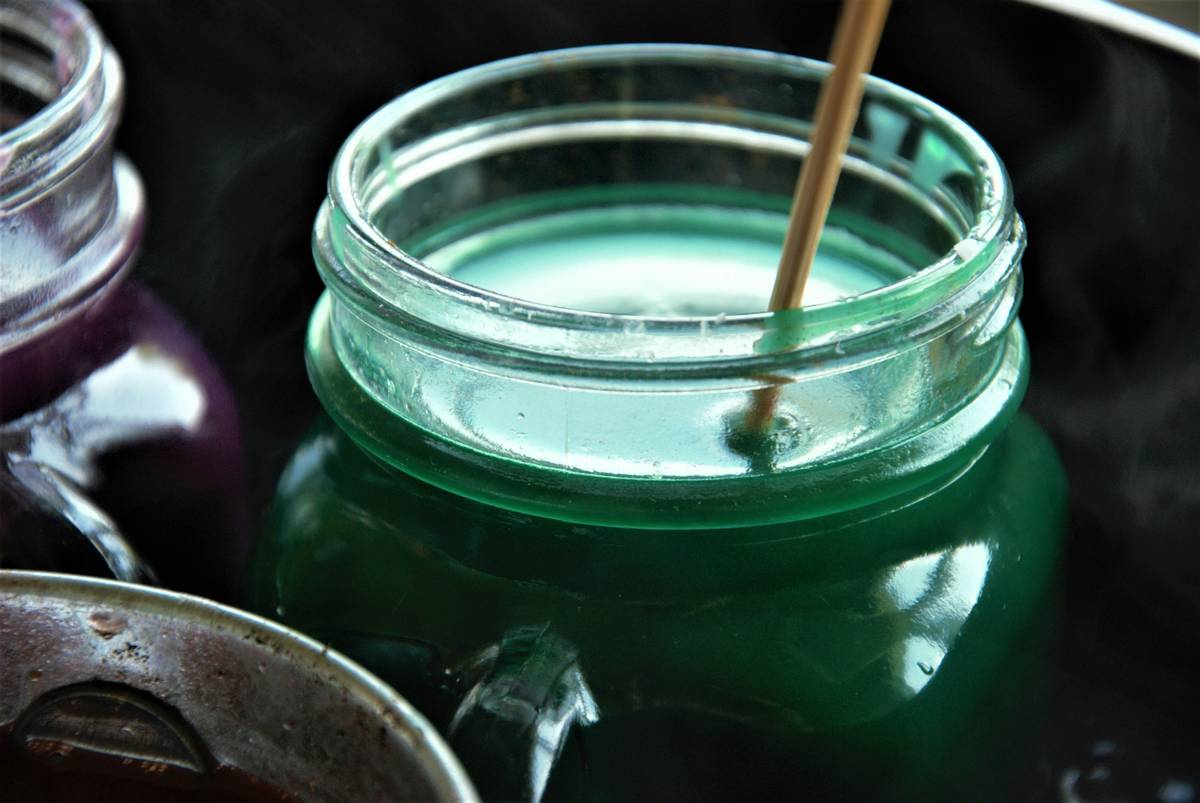
Melt wax to 185°F (85°C). Going hotter risks discoloration and weakens fragrance binding. Use a double boiler: water in the bottom pot simmering (not boiling), wax in the top. Stir gently with a silicone spatula.
Step 3: Add Fragrance at the Right Temp
Cool wax to 170–180°F before adding fragrance oil. Essential oils? Stick to 160°F max—they’re heat-sensitive. Stir slowly for 2 minutes to fully incorporate without creating bubbles.
Confessional Fail: I once dumped citrus EO into 190°F wax. Result? A candle that smelled like boiled oranges and gave me existential dread. Don’t be me.
Step 4: Pour & Secure Wicks
Pour wax into containers at 160–165°F. Immediately place wick stickers on tabs, then center wicks using chopsticks taped across the rim. Let cool undisturbed at room temp—no fridge tricks!
Step 5: Cure Like a Pro
Wait 5–7 days before burning. This allows fragrance molecules to bind fully with wax. Burning too soon = weak scent throw. Trust the process.
5 Pro Tips for Aromatherapy-Worthy Results
- Choose IFRA-compliant fragrance oils. Not all “natural” oils are skin-safe or combustion-stable. Reputable suppliers like CandleScience or Nature’s Garden provide usage rates.
- Size your wick correctly. Too small = tunneling. Too big = soot city. Measure your container’s inner diameter and consult wick charts.
- Stir, don’t whip. Aggressive stirring traps air bubbles, causing pitting. Gentle figure-eights only.
- Control ambient temperature. Ideal pouring temp is 70–75°F. Cold rooms cause frosting; hot rooms delay set time.
- Document every batch. Note wax type, fragrance %, pour temp, cure time. This data becomes gold for scaling or teaching others.
Terrible Tip Disclaimer 🚫
“Use leftover crayons for color!” – Nope. Crayons contain stearic acid and pigments that clog wicks and create toxic fumes. Use candle-specific dye chips or liquid dyes only.
Rant Section: My Pet Peeve
Why do so many “DIY gurus” say “just eyeball it”? Wax is science! Precision = performance. If you wouldn’t wing it with sourdough starter, don’t wing it with molten wax.
From Hobby to Hustle: Emma’s Candle Come-Up
Emma R., a former graphic designer, enrolled in my *Sensory Branding Lab* course in early 2023. She started making candles for self-care during burnout recovery. Using the exact method above, she launched “Still Flame Co.” on Etsy.
Her secret? Niche positioning: “Aromatherapy candles for digital creators”—scents like “Focus” (rosemary + peppermint) and “Unplug” (cedarwood + vetiver). She documented her process in Instagram carousels and TikTok timelapses, driving traffic to her shop.
Result: $3,200 in sales in Month 1. By Month 4, she quit her 9-to-5. Today, she teaches her own mini-course on CreativeLive.
FAQs About Homemade Scented Candles
Can I use essential oils instead of fragrance oils?
Yes—but with caveats. EOs have lower flash points and weaker hot throw. Stick to 5–6% max, and avoid citrus or floral EOs which degrade fastest. For stronger scent, blend with a compatible FO.
Why does my candle have sinkholes or wet spots?
Sinkholes = cooling too fast. Pour at correct temp and insulate jars with towels. Wet spots (adhesion failure) happen in humid conditions or with overly cold containers. Pre-warm vessels to 100°F.
Is soy wax really eco-friendly?
Not always. Much “soy” wax is hydrogenated soybean oil mixed with paraffin. Look for non-GMO, American-grown, 100% soy or coconut-soy blends from transparent suppliers.
How long do homemade candles last?
Properly stored (cool, dark place), cured candles retain full scent for 12–18 months. After that, top notes fade—still burnable, but less aromatic.
Do I need insurance to sell homemade candles?
Yes. General liability insurance is essential. Platforms like Etsy require it above certain sales thresholds. Also, comply with IFRA and CLP labeling for EU customers.
Conclusion
Learning how to make scented candles homemade isn’t just about filling your space with calming lavender or energizing eucalyptus—it’s about building a tactile, trustworthy brand in a digital world. With precise ratios, proper curing, and compliant ingredients, your candles can soothe minds, spark joy, and even fund your next online course.
Remember: Great candles aren’t made in haste. They’re crafted with care, tested with rigor, and shared with purpose. Now go melt responsibly.
Like a Tamagotchi, your candle biz needs daily care—except less beeping, more bergamot.
Wax meets wick,
Scent blooms in still air—
Profit glows softly.