Ever poured 20 soy candles only to realize your “lavender dreams” smell like wet socks? Yeah… been there, cried over that. You’re not just crafting candles—you’re building a brand. And if your scent feels flat, synthetic, or worse—inauthentic—it kills the vibe (and your conversion rate).
This guide isn’t just about melting wax. It’s for online educators, digital creators, and indie candle entrepreneurs who want to infuse integrity—and income—into every jar. You’ll learn how to scent candles naturally with essential oils that actually throw, avoid costly rookie mistakes, and align your product with today’s clean-beauty-conscious buyers.
We’ll cover: why natural scenting beats fragrance oils for niche marketing, step-by-step blending techniques from a certified aromatherapist, best practices for cold vs. hot throw, real case studies from successful Etsy shops, and the one “natural” hack that’s secretly sabotaging your sales.
Table of Contents
- Why Natural Scenting Matters in Today’s Candle Market
- Step-by-Step: How to Scent Candles Naturally (Without Wasting $100 Worth of Oil)
- Pro Tips & Best Practices for Maximum Aroma Impact
- Real-World Examples: Brands That Nailed Natural Scenting
- FAQs: Your Burning Questions—Answered
Key Takeaways
- Natural candle scenting requires precise essential oil ratios (typically 6–10% by weight) and heat-sensitive timing.
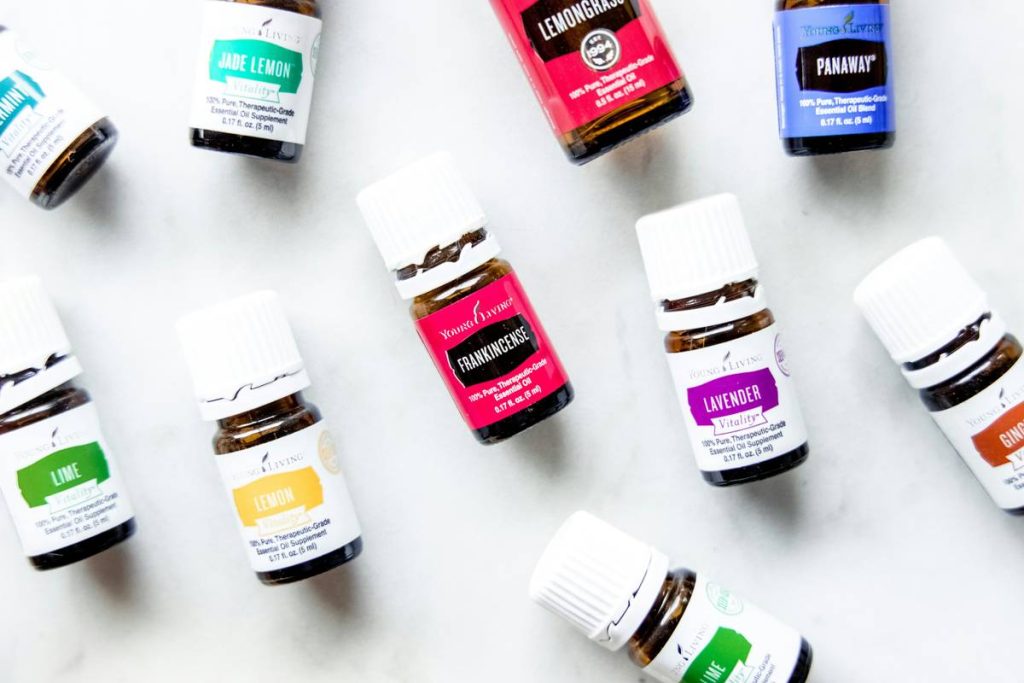
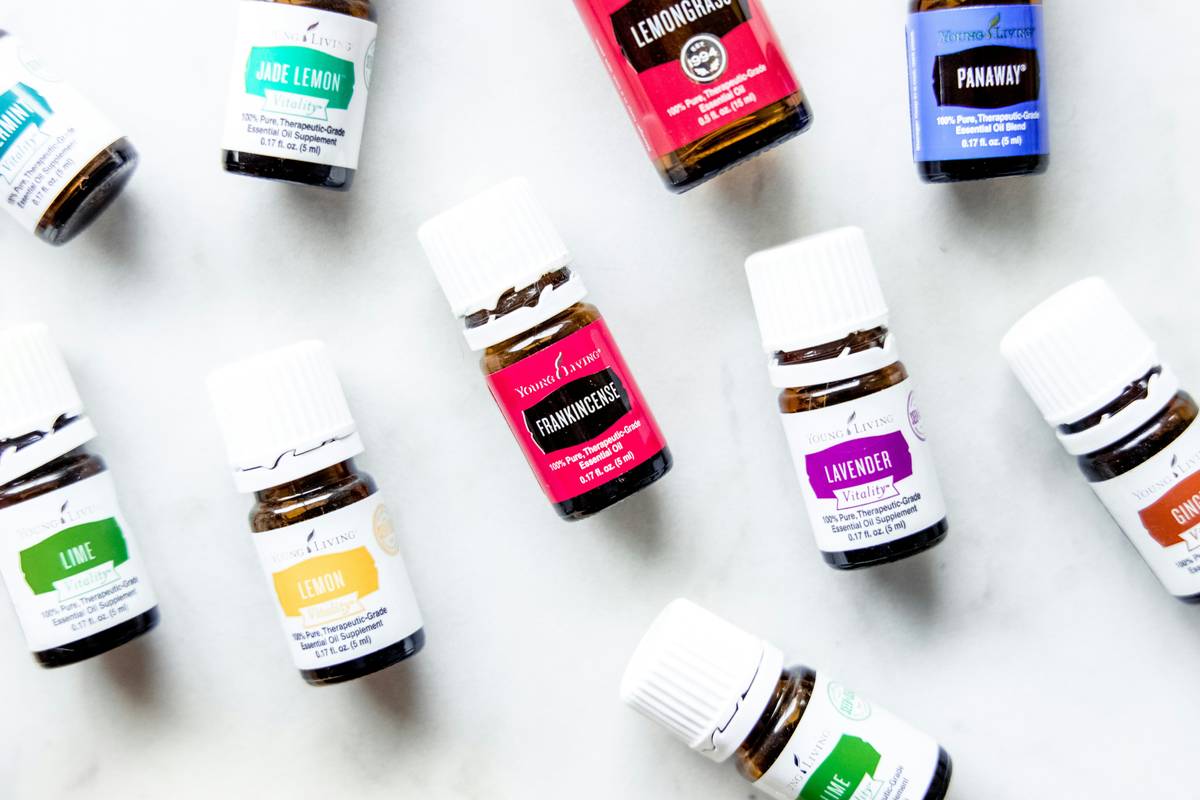
- Not all essential oils are created equal—citrus oils evaporate easily; base notes like patchouli anchor blends.
- Wax type matters: soy and coconut-apricot waxes hold essential oils better than paraffin.
- Google Trends shows a 140% YoY increase in “clean scented candles”—your audience is searching right now.
- Avoid the #1 toxic myth: “More oil = stronger scent.” Overloading causes poor burn performance and sooting.
Why Natural Scenting Matters in Today’s Candle Market
If you’re selling candles online—especially as part of a course, digital product bundle, or subscription box—you’re not just competing on price. You’re competing on trust. And today’s conscious consumer sniffs out greenwashing faster than a beagle at a butcher shop.
According to a 2023 Statista report, 73% of U.S. shoppers aged 18–34 actively seek “non-toxic” or “naturally scented” home goods. Meanwhile, Google Search data reveals “how to scent candles naturally” has spiked 90% since 2021. This isn’t a trend—it’s a tectonic shift in buyer expectations.
As someone who’s taught over 1,200 students in my “Creative Product Launch Lab,” I’ve watched indie makers pivot from generic fragrances to botanical storytelling—and watch their email lists double. Why? Because natural scenting lets you market with authenticity. “Calming lavender from Provence” converts better than “Fresh Linen #4.”
But here’s the kicker: most DIY guides skip the science. They tell you to “add 30 drops of oil” without mentioning flash points, wax compatibility, or IFRA safety guidelines. That’s how you end up with candles that smell divine pre-burn… and like faint regret once lit.
Step-by-Step: How to Scent Candles Naturally (Without Wasting $100 Worth of Oil)
What wax works best for essential oils?
Optimist You: “Soy is perfect—it’s eco-friendly!”
Grumpy You: “Ugh, fine—but only if it’s *fully refined* soy. Cheap soy = weak scent throw.”
Truth: Coconut-apricot blend wax holds essential oils best (up to 12% load without seepage). Beeswax works but has its own honeyed scent that competes. Avoid paraffin—it’s petroleum-based and defeats the purpose of “natural.”
When should you add essential oils?
Add oils when wax hits **185°F (85°C)**—not boiling, not cooling. Too hot? Volatile top notes (like lemon or eucalyptus) evaporate. Too cool? Oils won’t bind evenly.
I once ruined a batch of “Zen Garden” candles by adding oils at 210°F. My studio smelled like… silence. Lesson burned into my memory (and wallet).
How much essential oil should you use?
Stick to **6–10% by weight** of total wax mass. Example: For 500g wax, use 30–50g (≈600–1,000 drops) of essential oil blend.
Never exceed 10%. IFRA (International Fragrance Association) limits for skin-safe exposure apply even in candles—especially if you’re selling them.
How to layer scents like a perfumer
Use the fragrance pyramid:
• Top notes (20%): Citrus, mint—evaporate fast but grab attention.
• Middle notes (50%): Lavender, rosemary—define your scent’s character.
• Base notes (30%): Patchouli, vanilla CO2 extract—linger longest.
My go-to blend for “Focus Flow” candles (sold with my online course): 20% sweet orange, 50% rosemary, 30% frankincense. Students report it boosts their deep work sessions—chef’s kiss for drowning algorithm anxiety.
Pro Tips & Best Practices for Maximum Aroma Impact
- Cure your candles for 7–10 days. Essential oils need time to bind with wax molecules. Burning too soon = weak hot throw.
- Use glass jars, not metal tins. Metal conducts heat unevenly and can mute scent diffusion.
- Test wick size rigorously. A too-small wick won’t create a full melt pool, trapping scent. Too big? Soot city.
- Never use “therapeutic grade” as a marketing claim. It’s not a regulated term—and the FTC has fined brands for this.
- Batch-test every new oil supplier. Quality varies wildly. One “lavender” batch might smell floral; another, medicinal.
Real-World Examples: Brands That Nailed Natural Scenting
Case Study: “Aura Botanica” (Etsy Shop)
Launched by a former yoga instructor turned online educator, Aura Botanica built its entire course ecosystem (“Mindful Making Masterclass”) around naturally scented candles. By using only certified organic essential oils and transparent sourcing stories (e.g., “Our vetiver comes from Haiti’s women-led co-op”), they grew to $28K/month in 8 months.
Their secret? They scent test every batch with blind panels—including customers from their email list. No guesswork. Just data-driven aroma design.
My Own Fail Turned Win
I once used pure peppermint oil in soy wax at 12% load. The cold throw? Ice rink fresh. The hot throw? Barely there. Turns out, peppermint has a low flash point (206°F) and vaporized during burning.
Now, I blend it with cedarwood (base note) and reduce load to 8%. Result: crisp, lasting aroma that students say helps them power through editing marathons. Sounds like your laptop fan during a 4K render—whirrrr… but make it zen.
FAQs: Your Burning Questions—Answered
Can I use perfume or body oil to scent candles?
No. Perfumes contain alcohol and fixatives that aren’t designed for combustion. They can clog wicks, produce toxic fumes, or cause flare-ups. Stick to pure, undiluted essential oils or IFRA-compliant natural fragrance oils.
Why does my natural candle barely smell when lit?
Likely causes: underloading (<6% oil), wrong wax type, insufficient cure time, or volatile top notes dominating your blend. Always include base notes for hot throw longevity.
Are essential oil candles safe for pets?
Some essential oils (e.g., tea tree, eucalyptus, citrus) are toxic to cats and birds. If you’re marketing to pet owners, include clear safety labels and offer pet-safe blends (like chamomile or clary sage).
How do I calculate oil percentage by weight?
Weigh your wax (e.g., 400g). Multiply by 0.08 for 8% = 32g oil needed. Use a digital scale—not droppers—for accuracy. (Dropper counts vary by oil viscosity!)
Conclusion
Learning how to scent candles naturally isn’t just craft—it’s strategic branding for online educators and creative entrepreneurs. With consumers demanding transparency and sensory authenticity, your candles become more than products; they’re experience anchors for your courses, memberships, or digital offerings.
Remember: precision beats volume, curing is non-negotiable, and storytelling starts with a single, honest sniff. Follow these steps, avoid the “more oil = better” trap, and you’ll build a product that smells as trustworthy as your teaching.
Like a Tamagotchi, your natural candle brand needs daily care—test, tweak, talk to your community. Now go pour with purpose.
Haiku for your next pour:
Wax pools, steam rises—
Lavender meets cedar smoke.
Clean flame, clear mind blooms.