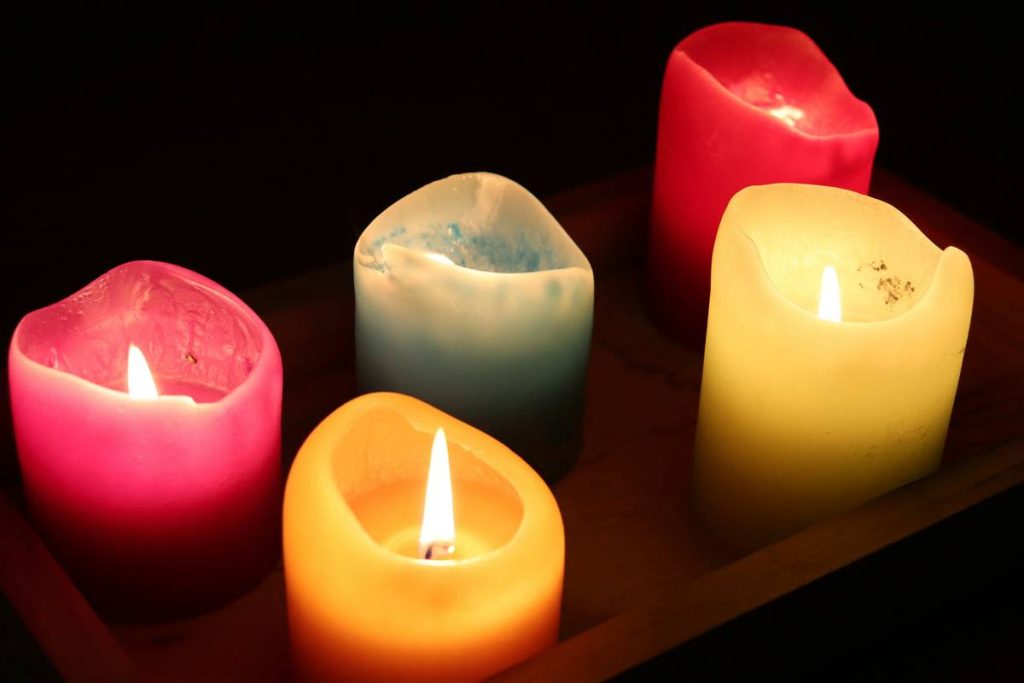
You light a candle to de-stress—only to inhale a cocktail of synthetic fragrances and soot. That “calming” ritual? It might be sabotaging your nervous system. Most store-bought candles are petroleum-based time bombs wrapped in wellness aesthetics. But healthy candles for relaxation exist—and they work precisely because they prioritize purity over profit.
Why 90% of “Relaxation Candles” Actually Make You More Anxious
Paraffin wax is cheap. That’s why big brands use it. It’s a byproduct of crude oil refining—yes, the same sludge that fuels your car. When burned, it releases toluene and benzene, both classified as carcinogens by the EPA. And those “aromatherapy” labels? Often just masking agents laced with phthalates—endocrine disruptors linked to mood swings and sleep disruption.
Think about it. You’re trying to lower cortisol, not spike it with invisible toxins. Even soy candles aren’t always safe; many are hydrogenated with nickel catalysts or blended with paraffin to cut costs. The industry hides behind vague terms like “natural fragrance.” There’s no regulation. No accountability.
How to Choose & Use Healthy Candles for Relaxation (Without Getting Scammed)
Real relaxation starts with chemistry you can trust. Here’s how to build a ritual that actually supports your nervous system—not undermines it.
Pick the Right Wax Base—Every Time
Opt for 100% beeswax or coconut-apricot blends. Beeswax emits negative ions when burned, which may help purify indoor air. Coconut wax burns cleaner than soy and holds essential oils better without synthetic carriers. Avoid anything labeled “vegetable wax”—it’s a loophole term that often includes paraffin.
Ditch Synthetic Scents Forever
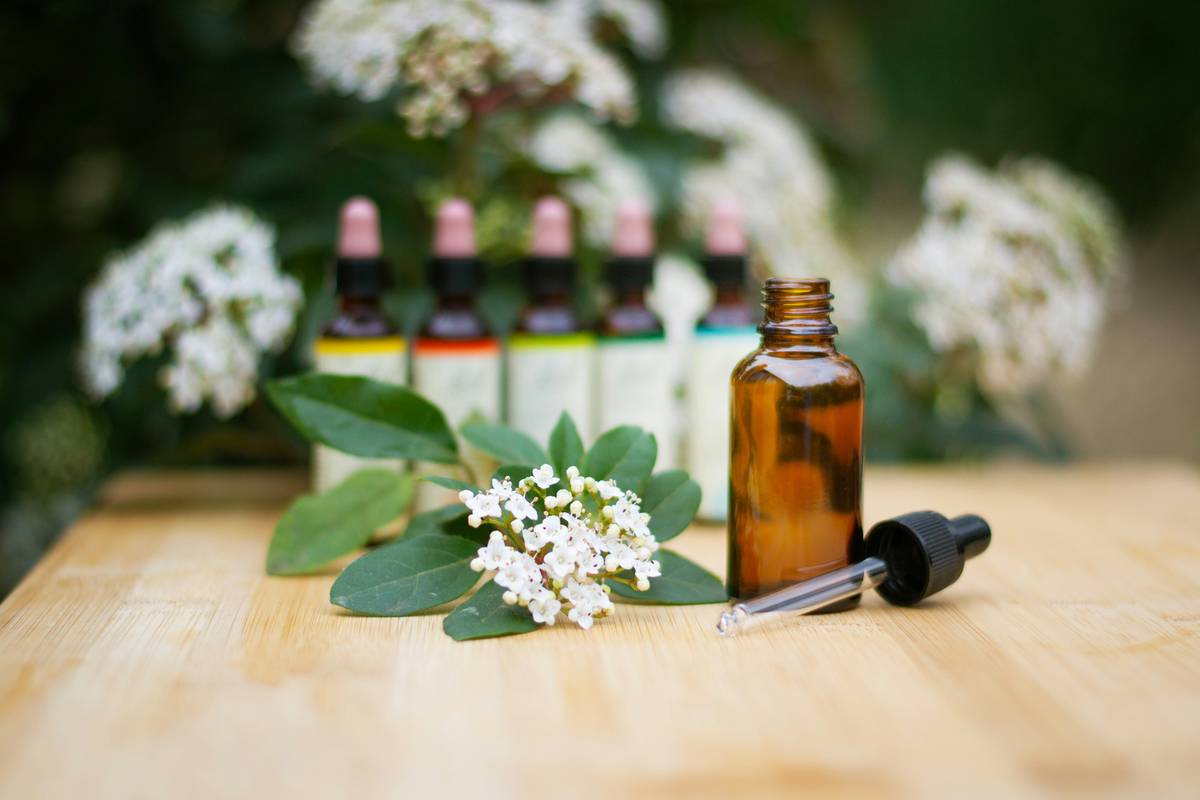
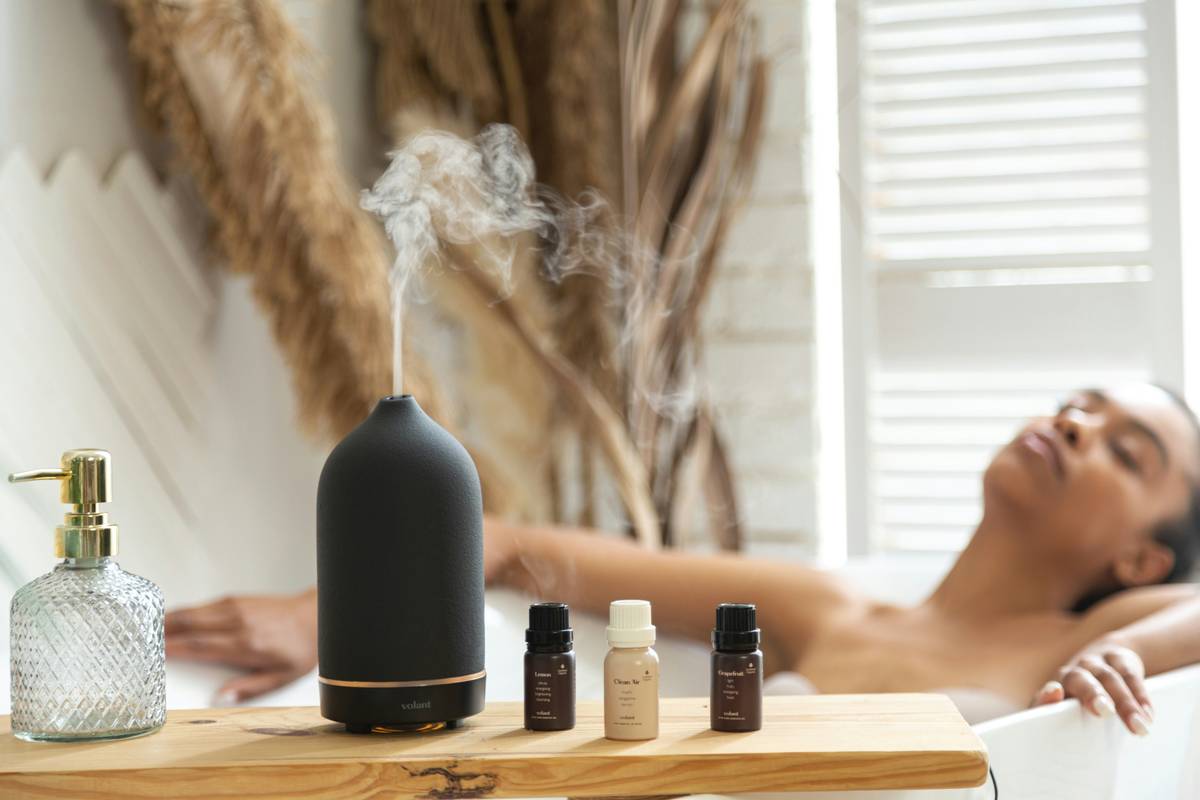
True aromatherapy uses therapeutic-grade essential oils—nothing more. If the label says “fragrance oil” or doesn’t list specific botanicals (like “lavender oil” or “bergamot peel oil”), walk away. Better yet: choose unscented and add your own drops of vetted essential oils to the melt pool.
Wick Matters More Than You Think
Cotton or wood wicks only. Never zinc-core or lead-core—still found in discount candles despite bans. A clean wick ensures even burning and minimizes soot. Trim it to ¼ inch before every use. Seriously. Do it.
| Candle Type | Wax Base | Scent Source | Burn Cleanliness | Price Range (8 oz) |
|---|---|---|---|---|
| Mass-Market “Aromatherapy” | Paraffin/Soy Blend | Synthetic Fragrance Oils | Poor (black soot, strong odor) | $6–$12 |
| Mid-Tier “Natural” | Hydrogenated Soy | Mixed Essential + Fragrance Oils | Fair (some residue) | $18–$28 |
| Truly Healthy Candles for Relaxation | Beeswax or Coconut-Apricot | 100% Therapeutic Essential Oils | Excellent (no visible smoke) | $24–$42 |
The Industry Secret: Most “Wellness” Brands Don’t Test Burn Emissions
Here’s what no marketer will tell you: ingredient lists lie by omission. A candle can claim “non-toxic” while still releasing volatile organic compounds (VOCs) during combustion. Only third-party lab testing—specifically GC-MS analysis of post-burn air—can verify safety. Yet fewer than 5% of indie “clean” brands invest in this.
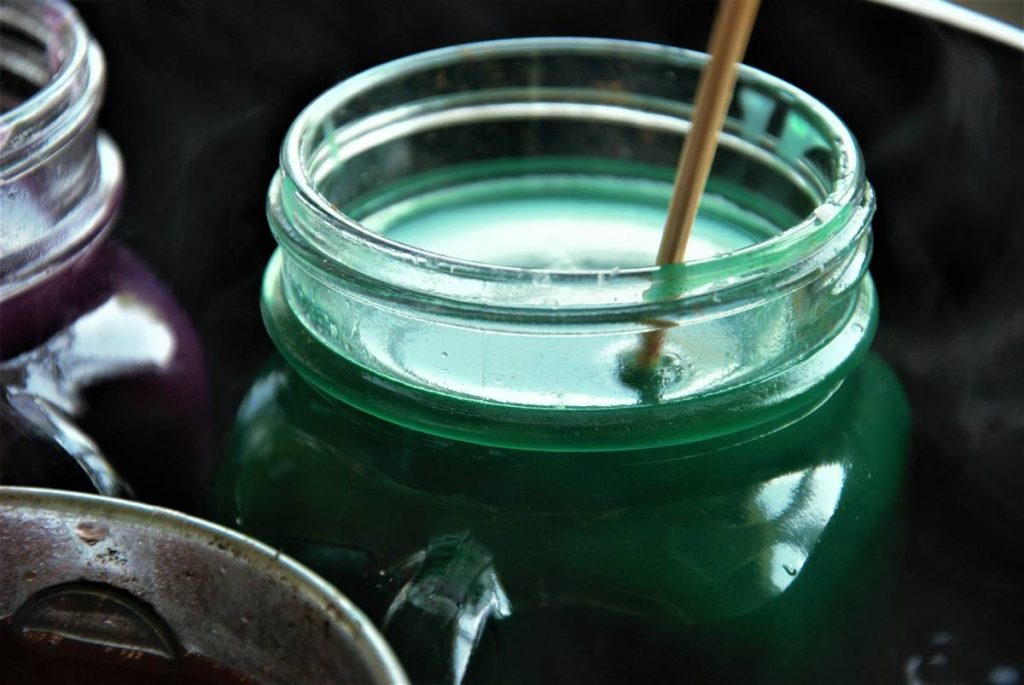
I once audited a popular subscription box brand claiming “spa-grade purity.” Their bestseller emitted formaldehyde levels 3x above California’s indoor air standard. They’d never tested beyond raw materials. The math is simple: if they won’t publish full emission reports, assume contamination. Demand transparency—or make your own. (Yes, DIY with filtered beeswax, cotton wicks, and certified oils is cheaper long-term.)
FAQs About Healthy Candles for Relaxation
Are soy candles really healthy for relaxation?
Not always. Many contain paraffin or are processed with chemicals. Only choose 100% organic, non-GMO soy—and even then, beeswax or coconut wax burns cleaner.
Can candles actually reduce stress?
Yes—but only if free from neurotoxic additives. Pure essential oil scents like lavender and frankincense trigger parasympathetic responses. Synthetic versions do the opposite.
How long should I burn a healthy relaxation candle?
Never exceed 4 hours. Longer burns overheat wax pools, degrading essential oils and increasing VOC release—even in clean formulas.