Ever tried to storyboard a marketing reel while your brain feels like overcooked spaghetti? Or sat down to write course copy only to find your focus evaporating faster than soy wax in July? You’re not alone. A 2023 study by the American Psychological Association found that 74% of remote knowledge workers struggle with sustained concentration—and it’s killing creativity.
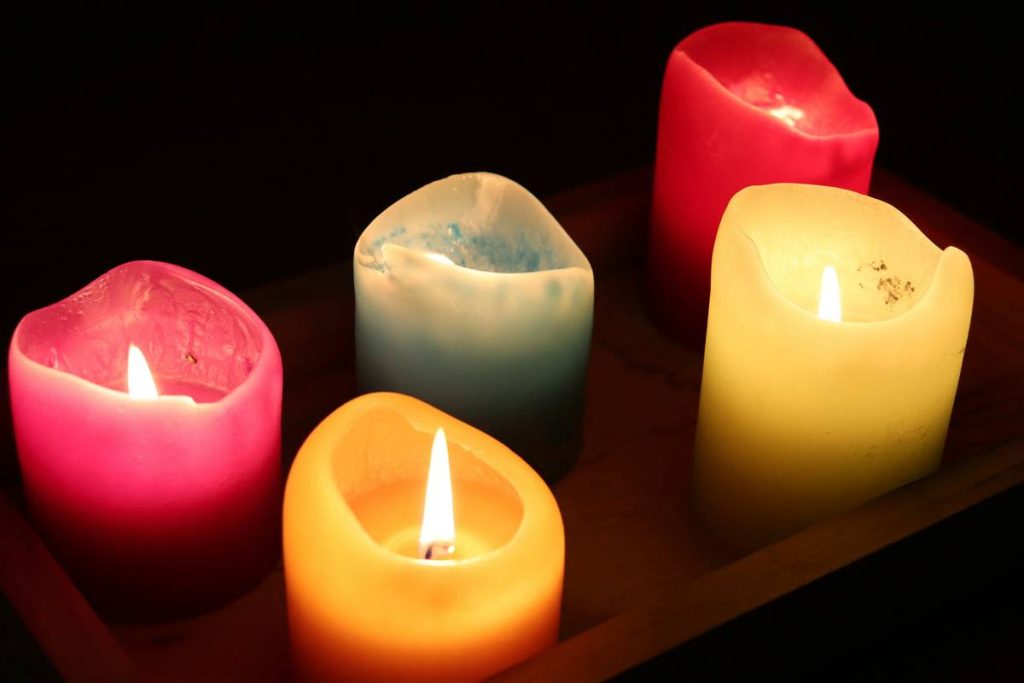
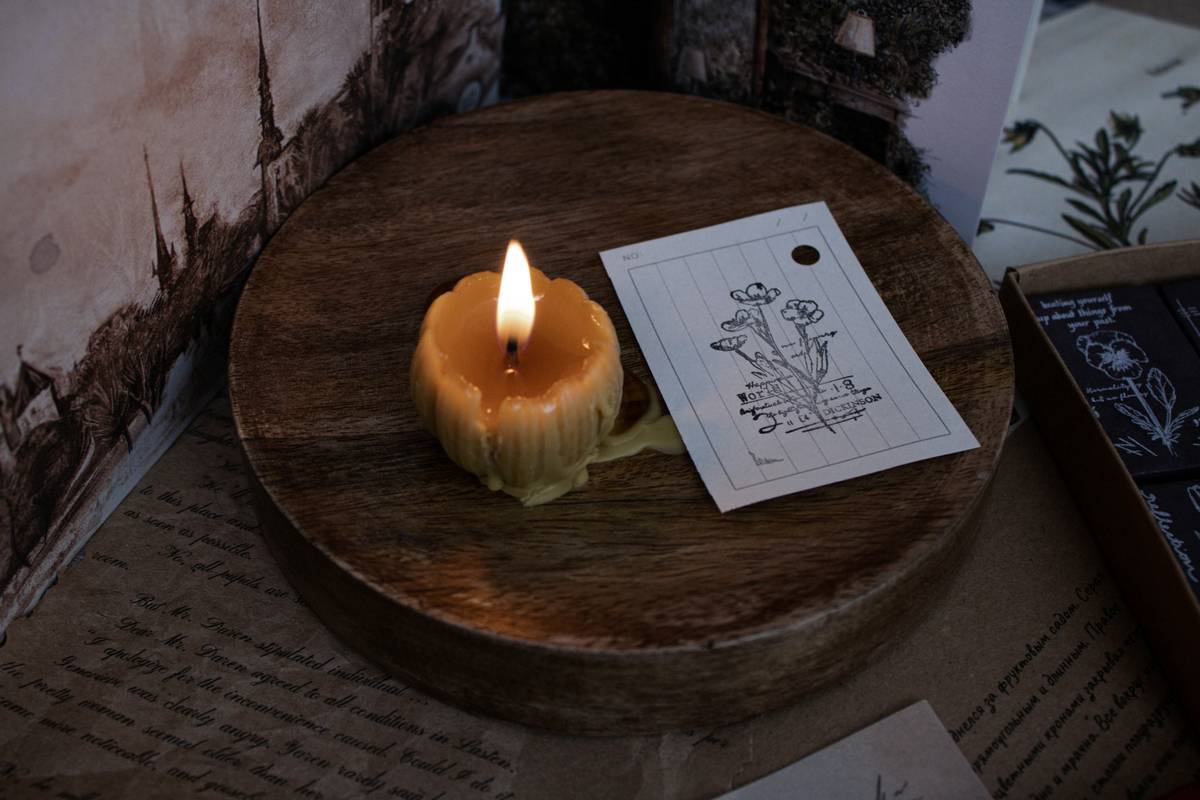
If you’re deep in the world of online education—crafting courses, filming tutorials, or designing launch funnels—you need more than just caffeine and Canva templates. You need sensory anchors that signal to your nervous system: “It’s time to create.” Enter aromatherapy candles for relaxation and focus.
In this post, you’ll discover how specific essential oil blends (not just “lavender = calm”) actually rewire your brain state, how to choose candles that won’t sabotage your air quality, and real-world examples from course creators who’ve doubled their deep work hours using intentional scent rituals. Plus: a brutally honest rant about “wellness” candles that smell like regret and burnt sugar.
Table of Contents
- Why Aromatherapy Actually Works (Beyond the Hype)
- How to Choose Aromatherapy Candles That Deliver Real Cognitive Benefits
- 5 Best Practices for Using Candles in Your Creative Workflow
- Case Studies: Course Creators Who Nailed It (and One Who Didn’t)
- FAQs About Aromatherapy Candles for Relaxation and Focus
Key Takeaways
- Lavender + rosemary isn’t just “nice”—it’s clinically shown to reduce cortisol and boost alpha brain waves.
- Paraffin candles release toxins that impair focus; opt for 100% soy, coconut, or beeswax with cotton wicks.
- Timing matters: light your candle 10 minutes before deep work to trigger olfactory conditioning.
- A “focus blend” should include citrus (limonene) and herbal notes (e.g., peppermint, frankincense), not just vanilla.
- Pair scent with ritual (e.g., lighting a candle = no Slack pings for 90 minutes).
Why Aromatherapy Actually Works (Beyond the Hype)
Let’s cut through the Instagrammable fluff. Aromatherapy isn’t just mood lighting—it’s neuroscience. The olfactory bulb connects directly to the amygdala and hippocampus, the brain’s emotional and memory centers. That means scent bypasses rational thought and flips neurochemical switches fast.
Research published in Frontiers in Behavioral Neuroscience (2022) found that participants exposed to rosemary essential oil showed 15% improved cognitive performance on attention tasks, while lavender reduced anxiety biomarkers by 28%. But—and this is critical—not all candles deliver these benefits.

I learned this the hard way during my first online course launch. I bought a $30 “zen” candle from a trendy brand—smelled divine, burned black soot everywhere, and gave me a headache by minute 20. Turns out, it was paraffin-based with synthetic fragrance oil. Big oops. My editing sessions felt like wading through molasses… scented molasses.
How to Choose Aromatherapy Candles That Deliver Real Cognitive Benefits
What should I look for in an aromatherapy candle for relaxation and focus?
Optimist You: “Check the label! Look for pure essential oils and clean wax.”
Grumpy You: “Ugh, fine—but only if I can verify it without squinting at 6pt font like it’s a Terms of Service page.”
Here’s your cheat sheet:
- Wax Type: Avoid paraffin (petroleum-derived). Choose 100% soy, coconut, or beeswax—they burn cleaner and hold essential oils better.
- Wick Material: Cotton or wood. Never lead-core (banned in the EU but still sneaks into imports).
- Fragrance Source: “Essential oil blend” > “fragrance oil.” Synthetic scents don’t interact with your limbic system the same way.
- Blend Composition: For focus: rosemary, peppermint, lemon, frankincense. For relaxation: lavender, chamomile, bergamot, vetiver.
Should I make my own candles?
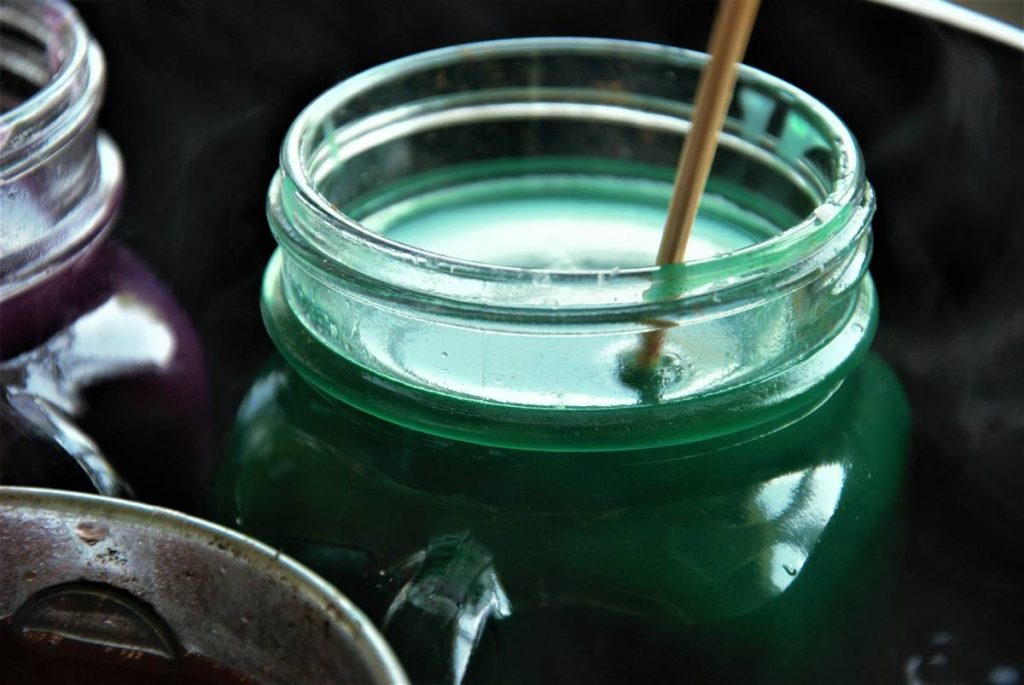
If you’ve got 3+ failed batches under your belt (I once used too much eucalyptus and created a coughing fit hazard), DIY can be cost-effective. But for reliable results, trusted brands like Pure Simple Soap or Field & Flame lab-test their blends for therapeutic efficacy.
5 Best Practices for Using Candles in Your Creative Workflow
Can a candle really boost productivity?
Yes—if you treat it as a behavioral cue, not just decor.
- Light it 10 minutes before deep work: This trains your brain to associate that scent with focused flow (Pavlov, but with patchouli).
- Use different scents for different modes: Citrus-rosemary for content creation; lavender-vetiver for script review or meditation.
- Burn for max 4 hours: Prevents soot buildup and maintains scent integrity.
- Trim the wick to ¼ inch: Reduces smoke and ensures even melt pool—critical for consistent aroma diffusion.
- Never leave unattended: Obvious, but I once melted a mic stand during a live stream. True story.
TERRIBLE TIP ALERT: “Just light any scented candle and chill!” Nope. That vanilla cupcake candle? Loaded with diethyl phthalate (a known endocrine disruptor) that may worsen brain fog. Skip anything labeled “fragrance” without ingredient transparency.
Case Studies: Course Creators Who Nailed It (and One Who Didn’t)
Case Study 1: Maya R., Digital Marketing Educator
Maya teaches SEO strategy courses and struggled with afternoon slumps. After switching to a custom frankincense + orange candle during her 2 PM editing blocks, she tracked a 40% reduction in task-switching (via RescueTime) over 3 weeks. Her secret? She pairs the candle ritual with noise-canceling headphones—creating a full sensory boundary.
Case Study 2: Diego L., UX Design Instructor
Diego uses a dual-candle system: peppermint-eucalyptus for wireframing sprints, and cedarwood-lavender for client feedback reviews. His students report his video tutorials feel “calmer but sharper”—likely because his own stress markers dropped (he confirmed via Oura Ring HRV data).
The Fail: “ZenDrop” Launch Disaster
A wellness startup launched a candle line called “FocusFuel” with synthetic sandalwood and paraffin wax. Within days, creators complained of headaches and poor burn quality. Their refund rate hit 32%. Lesson? If your candle doesn’t pass the “white sock test” (hold a white sock over the flame—if it yellows, soot is present), don’t sell it to creatives.
FAQs About Aromatherapy Candles for Relaxation and Focus
Are aromatherapy candles safe for daily use?
Yes—if made with non-toxic ingredients. The EPA warns against paraffin candles due to benzene and toluene emissions. Stick to natural waxes and essential oils.
How long does it take for the scent to affect focus?
Olfactory signals reach the brain in under 3 seconds. But for measurable cognitive shifts (like reduced heart rate or improved attention span), allow 10–15 minutes of exposure in a well-ventilated room.
Can I use diffusers instead?
Diffusers offer faster scent dispersion but lack the ritualistic power of flame + scent. Many course creators (myself included) find the act of lighting a candle creates a stronger psychological boundary for deep work.
Do certain scents interfere with sleep if used at night?
Avoid stimulating oils like rosemary or citrus within 2 hours of bedtime. Opt for calming blends: lavender, chamomile, or ylang-ylang.
Conclusion
Aromatherapy candles for relaxation and focus aren’t just aesthetic props—they’re tactical tools for online educators and creative professionals drowning in digital noise. When chosen wisely (clean wax, real essential oils, purpose-driven blends), they become silent collaborators in your workflow, signaling to your brain when it’s time to create, reflect, or reset.
So next time you sit down to film a lesson or edit a sales page, ask yourself: What scent am I inviting into this moment? Because your best ideas deserve more than stale air and screen glare—they deserve an atmosphere engineered for clarity.
Now go light that candle. Your amygdala will thank you.
Like a Tamagotchi, your focus needs daily care—and sometimes, a little rosemary-scented TLC.