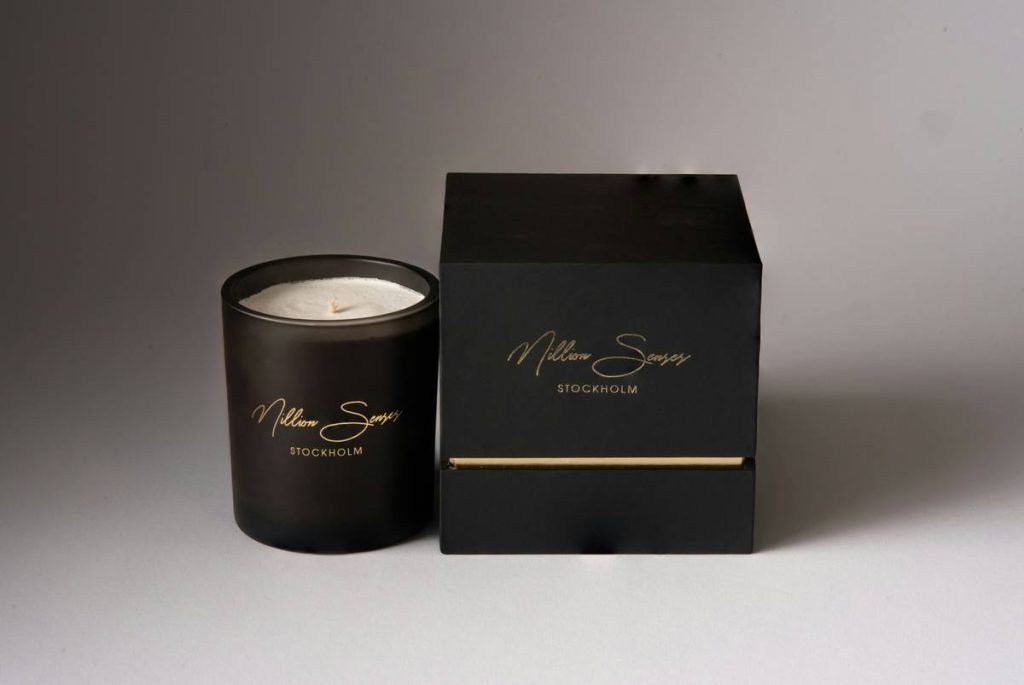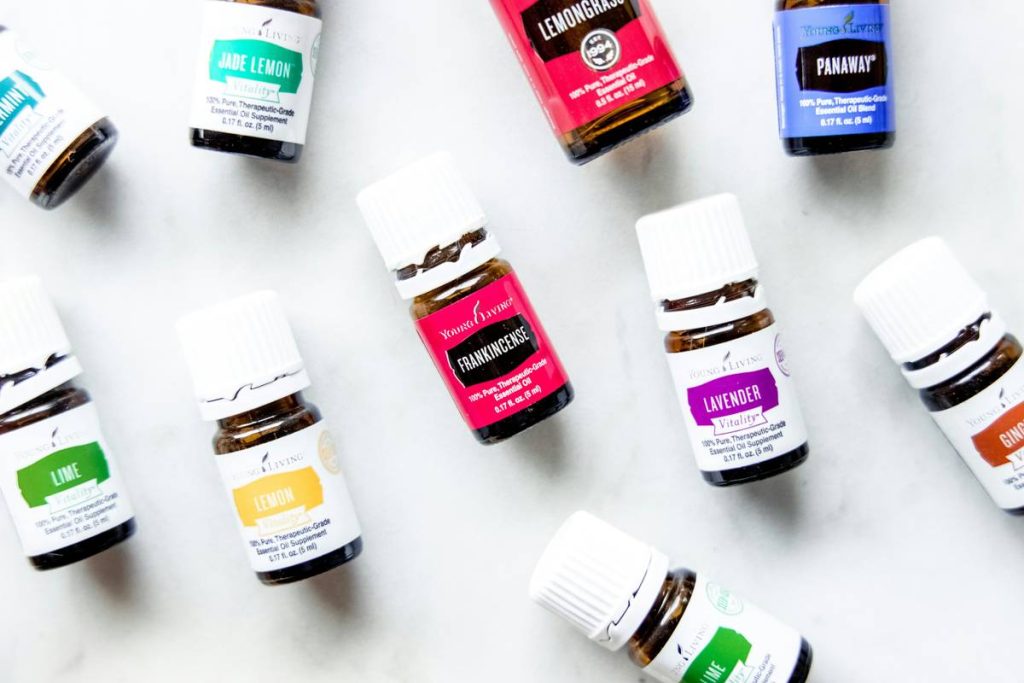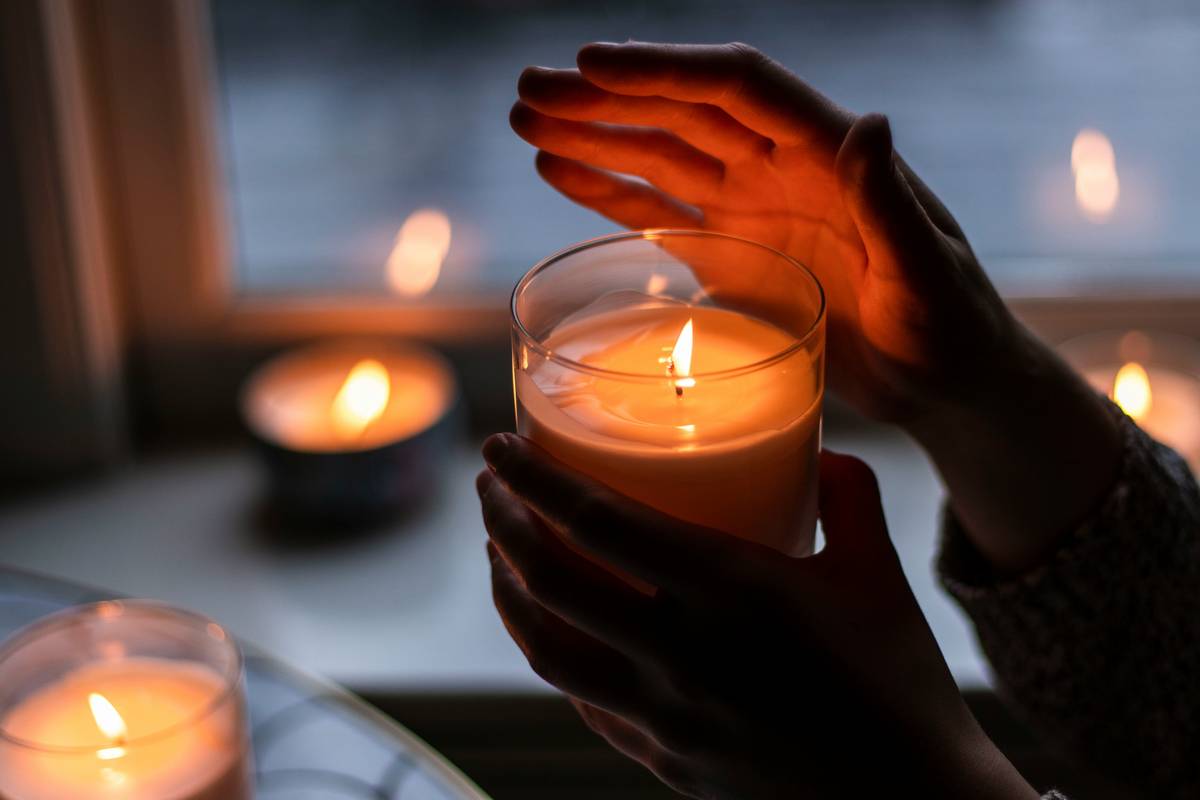
You light a candle expecting calm, comfort, or a subtle mood shift. Instead? Chemical fumes, weak scent throw, or worse—a wick that drowns in wax after two uses. The market’s flooded with pretty jars labeled “luxury,” but most deliver zero therapeutic benefit. Here’s the fix: stop buying based on packaging. Start selecting by strategy.
The Core Problem: Why 90% of Scented Candles Are Just Decorative Theater
Most brands treat fragrance like an afterthought. They use synthetic fragrance oils diluted below effective thresholds—just enough to register as “smells nice” during a store sniff test. But once lit in your living room? Gone in minutes.
And paraffin wax? A petroleum byproduct that releases toluene and benzene when burned. Not exactly the “spa-like sanctuary” you signed up for.
Worse, inconsistent wick sizing causes tunneling—leaving half the wax unused. You’re paying $30 for 40% functionality. That’s not ambiance. It’s waste.
How to Select & Use candles for home scented That Deliver Real Value
Forget brand hype. Build your own evaluation framework. Focus on three pillars: wax integrity, scent architecture, and burn behavior.
Wax Matters More Than You Think
Soy, coconut, beeswax—each has pros and cons. But purity is non-negotiable. Blends cut with paraffin degrade performance. Look for “100% natural wax” claims backed by sourcing transparency.
Fragrance Should Be Layered, Not Flat
Top notes (citrus, herbs) hit first but fade fast. Base notes (sandalwood, vanilla) linger. Quality candles balance both. Cheap ones? One-note synthetics that vanish—or worse, give you a headache.
Burn Time Isn’t Just About Longevity
A 50-hour candle means nothing if the scent only lasts 10. True value = consistent cold throw + hot throw across the entire lifespan. Test this: light it for 2 hours, extinguish, wait 12. Smell the wax. If it’s still aromatic, you’ve got depth.
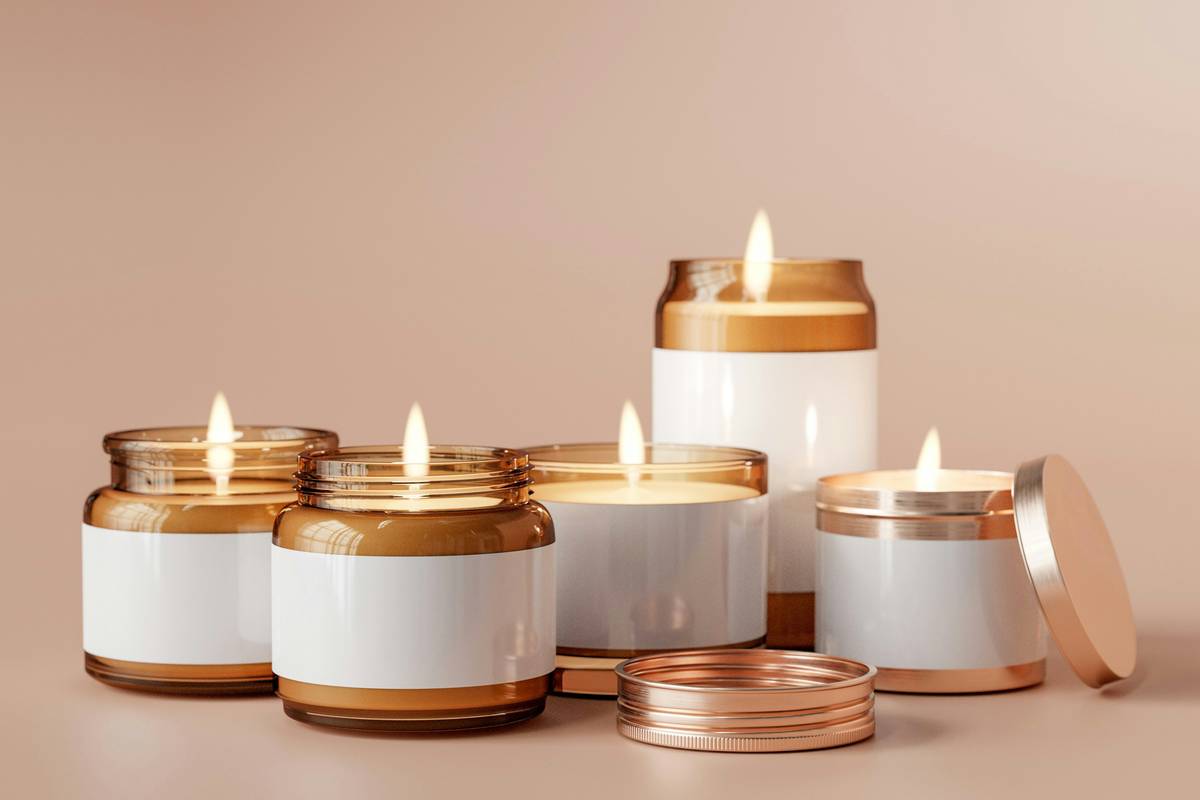
| Wax Type | Scent Throw | Burn Cleanliness | Avg. Cost (8 oz) |
|---|---|---|---|
| 100% Soy | Moderate | Very clean | $18–$26 |
| Coconut-Blend | Excellent | Clean | $24–$34 |
| Beeswax | Subtle (natural honey note) | Extremely clean | $30–$40 |
| Paraffin | Strong (artificial) | Poor—emits VOCs | $8–$15 |
The Industry Secret: Aromatherapy Candles Aren’t About Smell—They’re About Signal Timing
Here’s what no brand will tell you: human olfactory fatigue kicks in after 4–7 minutes of continuous exposure. Your nose literally stops registering the scent—even if it’s still there.
So the real magic isn’t in stronger fragrance oil. It’s in strategic burn cycles. Light your candle for 30–45 minutes max. Extinguish. Let the residual aroma linger without overloading your senses. Then relight later. This mimics how high-end spas layer scent—not constantly, but in pulses.
Brands won’t admit this because it reduces consumption. But smart buyers get more emotional ROI from fewer burns. And that’s the hidden math behind truly effective home fragrance.
Frequently Asked Questions
Are soy candles really better than paraffin?
Yes—but only if 100% soy. Many “soy” blends contain paraffin fillers. Check ingredient lists. Pure soy burns cleaner and supports longer-lasting scent diffusion without toxic off-gassing.
How long should I burn a scented candle the first time?
Until the melt pool reaches the jar’s edge—usually 1 hour per inch of diameter. Skipping this causes tunneling. Never exceed 4 hours in one session.
Can scented candles actually improve mood?
Only if they use true essential oils or phthalate-free fragrance designed for aromatherapeutic effect. Generic “fresh linen” won’t cut it. Look for candles specifying linalool, limonene, or eugenol content.